Make Your Psytrance Track DJ-Friendly
Watch the full breakdown
A track that is hard to mix rarely gets played out, no matter how good the drop is. DJs need clean, steady sections at the start and end where they can blend in and out. Building those in is a small arrangement job that makes a big difference to whether your track lands in sets.
In the video Psiger shows where DJ transitions happen and how to design the intro and outro so a DJ can work with them. Here is the breakdown.
- DJs blend tracks at the intro and outro, over steady, beat-focused sections.
- Give each end a clean, uneventful runway of enough bars to mix over.
- Phrase DJ-in and DJ-out in clean 8, 16 or 32 bar blocks so they line up with bar counts.
- Keep energy consistent in the mixing zones so blends stay smooth.
- Avoid short intros, melodic events in the mix zones, and sudden energy jumps.
Where DJ transitions are made
▶ Play from 0:47
DJs blend tracks at the intro and outro, over steady, predictable sections, usually kick and percussion without big melodic events. Understanding that the first and last minutes are the mixing zones tells you where to keep things simple.
The middle of the track is yours. The edges belong to the DJ.
Setup: steady intro and outro
▶ Play from 1:54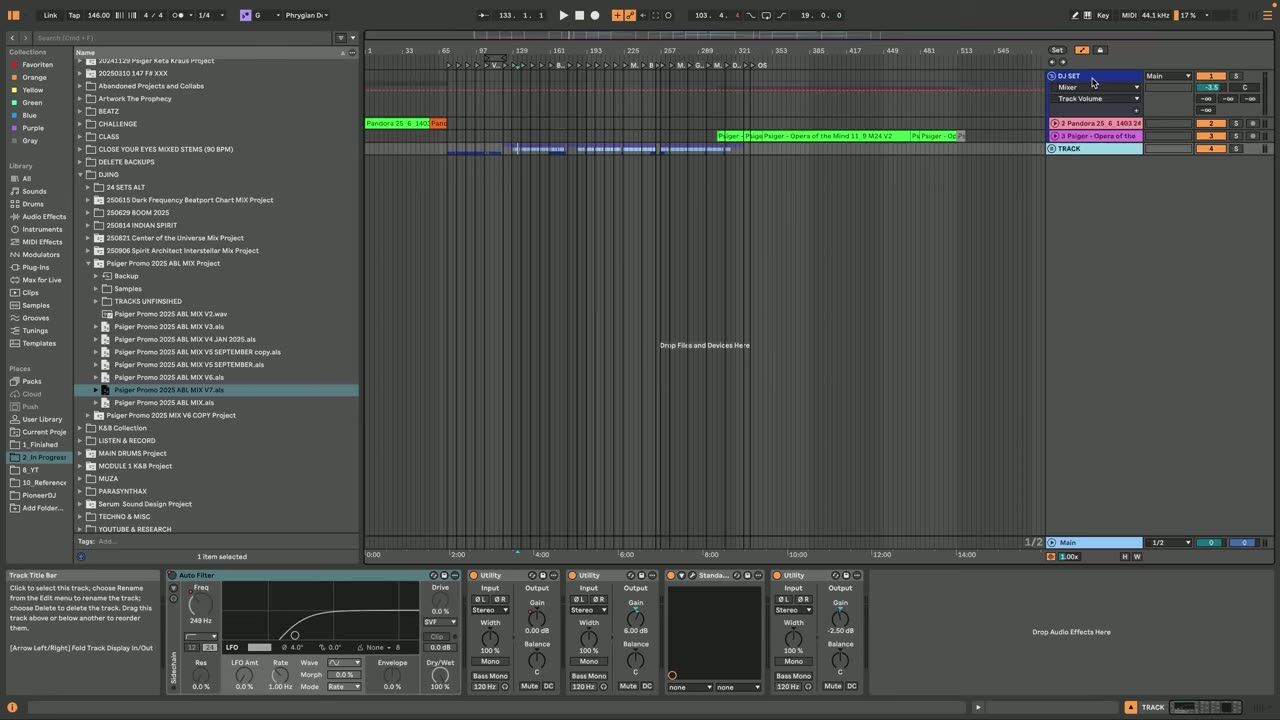
Build an intro and outro that run a stable groove for enough bars to mix over. Keep the arrangement clean and beat-focused there, avoiding melodic hooks or big changes that would clash with an incoming or outgoing track.
Give the DJ a solid, uneventful runway at each end.
DJ in and DJ out
▶ Play from 2:30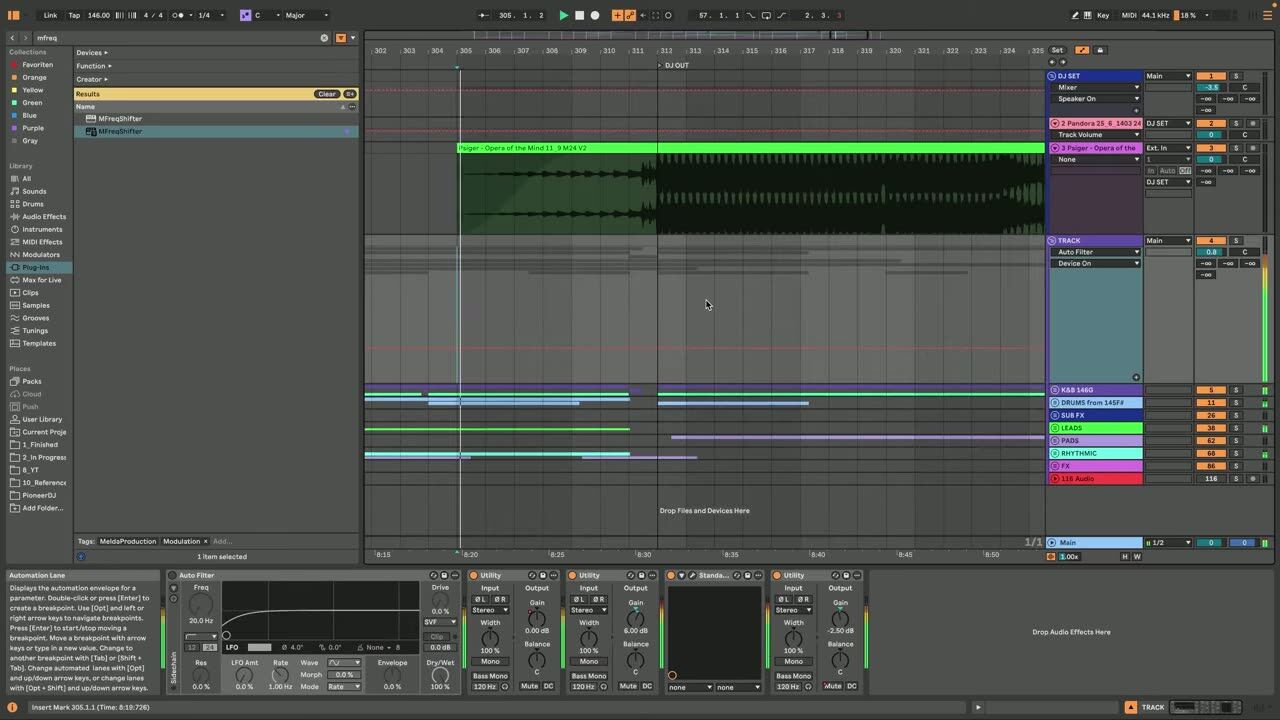
The DJ-in section lets another track blend into yours, and the DJ-out lets yours blend into the next. Phrase these in clean 8, 16 or 32 bar blocks so they line up with how DJs count, and keep the energy consistent so the mix stays smooth.
Predictable phrasing is what makes your track easy to mix.
Common pitfalls to avoid
▶ Play from 11:21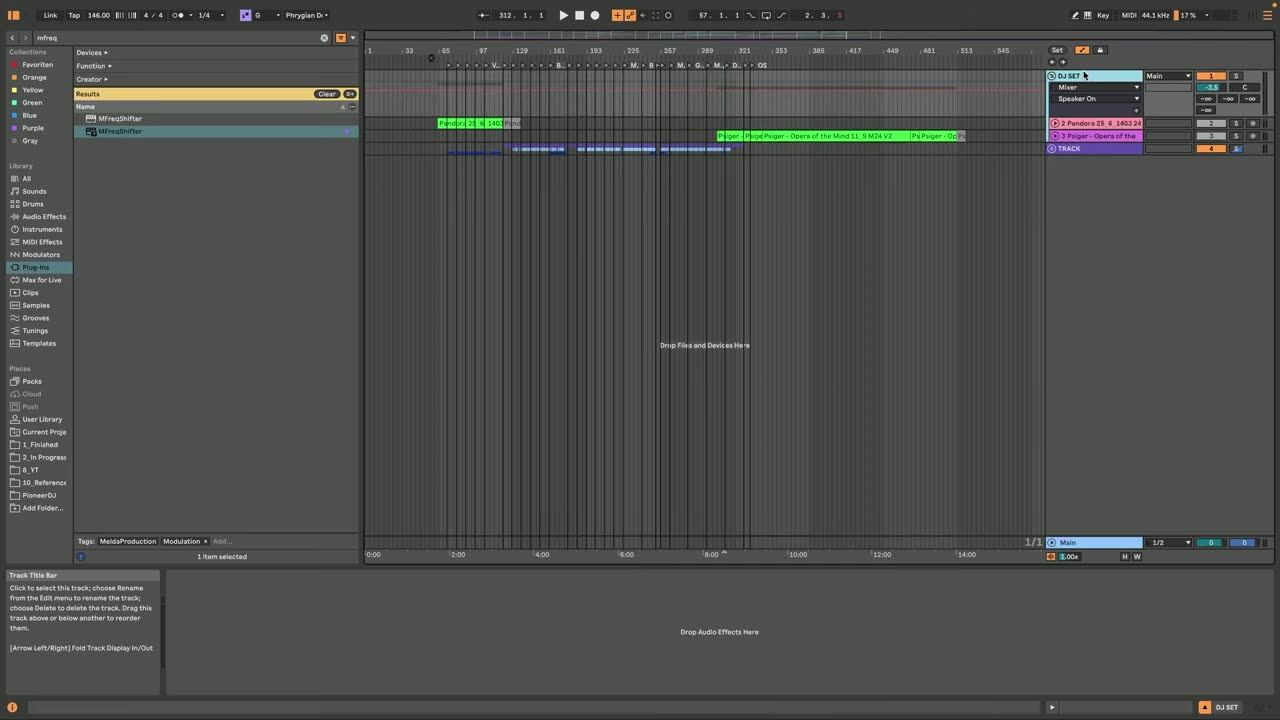
The usual mistakes: intros and outros that are too short, big melodic events in the mixing zones, sudden energy changes, and phrasing that does not line up with bar counts. Any of these makes your track awkward to blend and less likely to get played.
Fix the edges and your track becomes DJ-friendly without touching the core.