What Mastering Is and How to Prep
Watch the full breakdown
Mastering is the last step before release, and it is widely misunderstood. It is not a magic fix for a weak mix; it is the final polish that makes a finished track loud, balanced and consistent across systems. Understanding that changes how you prepare.
In the video Psiger explains what mastering does and how to hand over a track that is genuinely ready for it. Here are the essentials.
- Mastering is the final polish that balances tone, controls dynamics and sets loudness.
- It works on the whole mix as one file, making small broad adjustments.
- It cannot fix a broken mix. Solve balance and low-end problems in the mix first.
- Leave headroom on the master bus instead of pushing into a limiter.
- Export a clean, high-quality file with no clipping for the best master.
What mastering actually is
▶ Play from 0:00Mastering is the final stage that balances the overall tone, controls dynamics, and brings the track up to a competitive loudness so it sits alongside commercial releases. It works on the whole mix as one file, making small, broad adjustments.
It is polish, not repair. A great master starts with a great mix.
Fix the mix first
▶ Play from 3:00Mastering cannot fix a broken mix. If the low end is muddy, the balance is off, or an element is too loud, those problems have to be solved in the mix before mastering. The cleaner and more balanced the mix, the more the master can do.
Spend your effort on the mix; the master only refines what you give it.
Leave headroom and export clean
▶ Play from 5:00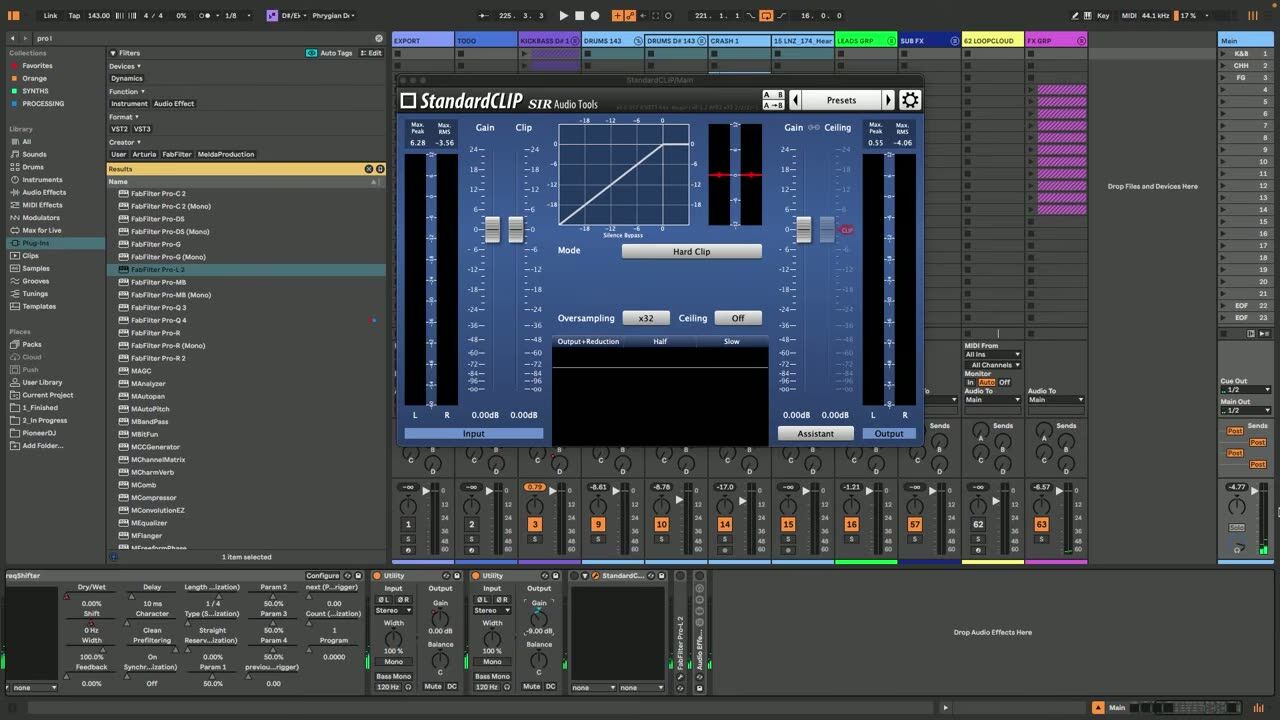
Prepare the file properly: leave headroom on the master bus rather than pushing into a limiter, so the mastering engineer or your own master chain has room to work. Export a high-quality file at the right sample rate with no clipping.
Handing over a clean, headroom-rich file is the single biggest thing you can do to get a good master.