5 Melodic Techno Ideas for Psytrance
Watch the full breakdown
Melodic techno and psytrance share a lot of DNA: driving grooves, hypnotic repetition, and a focus on energy over the drop. Where techno often has the edge is patience. It builds slowly, leaves space, and lets tension stretch out.
In the video Psiger shares five concepts he took from melodic techno and applied to psytrance. Below they are grouped into the ideas that make the biggest difference to an arrangement.
- Introduce elements one at a time and let each breathe. Restraint beats clutter.
- Stretch tension and release across longer arcs so the payoff feels bigger.
- Treat space as an instrument. Gaps and dynamics create contrast.
- Let the arrangement evolve gradually rather than repeating identically.
- Write melodies that carry emotion, not only energy.
Restraint: let elements breathe
▶ Play from 0:00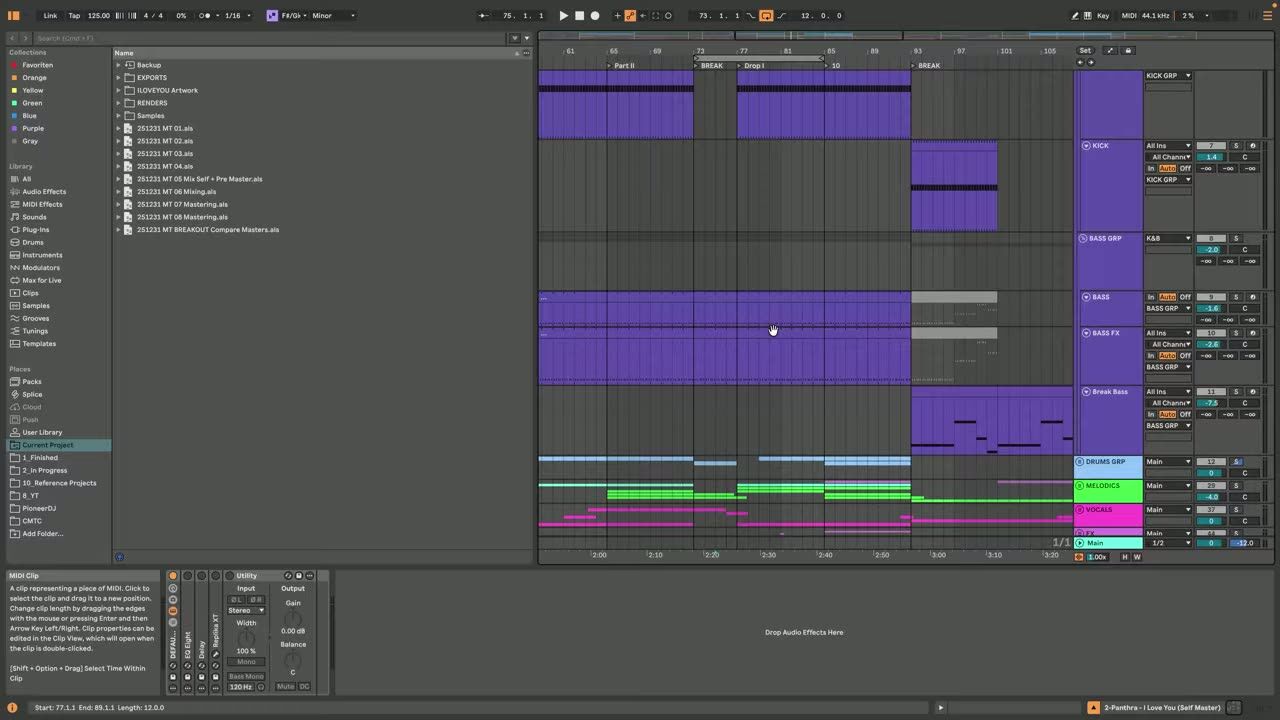
Melodic techno rarely throws everything in at once. It introduces elements one at a time and lets each one sit before adding the next. Applied to psytrance, that restraint stops the arrangement from feeling cluttered and gives every part room to be heard.
The lesson: a section with fewer, clearer elements often hits harder than a wall of sound.
Tension and release over time
▶ Play from 1:20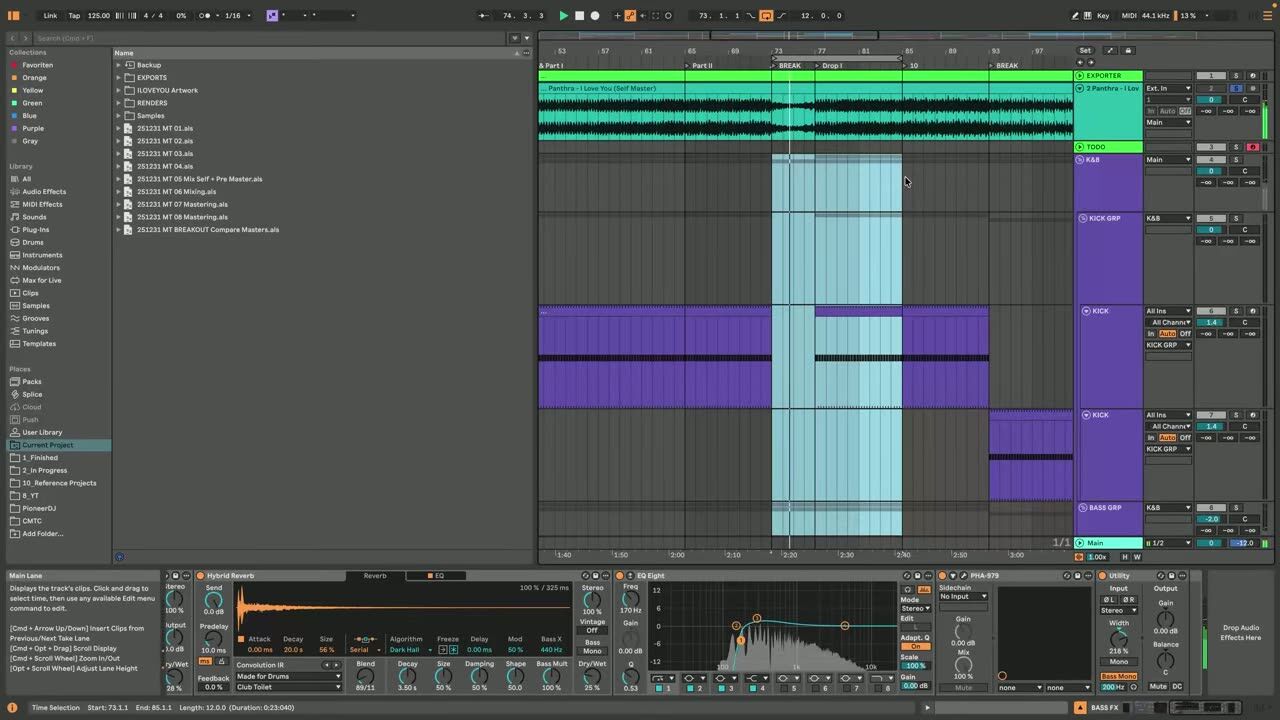
Techno stretches tension across long stretches, holding a feeling and paying it off slowly. Psytrance can borrow this by building energy over more bars before releasing it, rather than resolving every few bars.
Longer arcs make the payoff feel bigger when it finally lands.
Space and dynamics
▶ Play from 2:40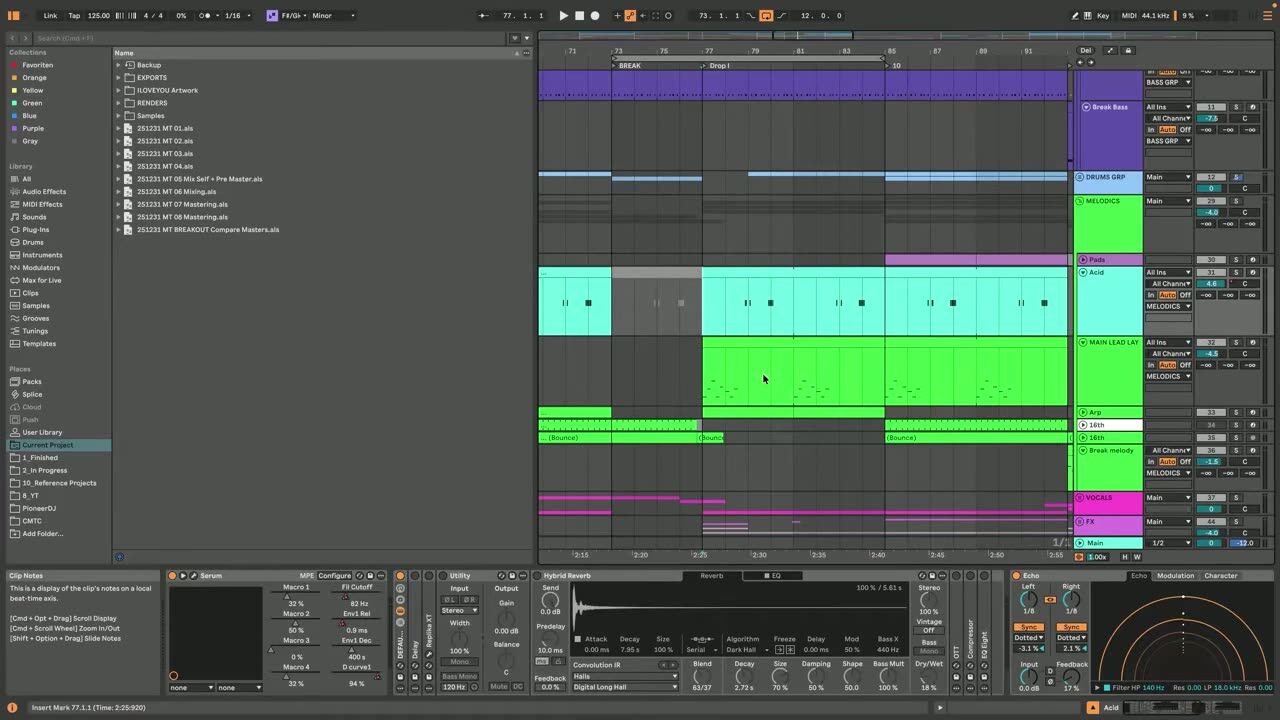
Space is an instrument. Leaving gaps, dropping elements out, and using dynamics gives the track contrast and movement. A constant full-energy wall gets tiring, while pulling things back makes the loud moments feel loud.
Use silence and reduction deliberately, not just addition.
Evolving arrangements and emotion
▶ Play from 4:00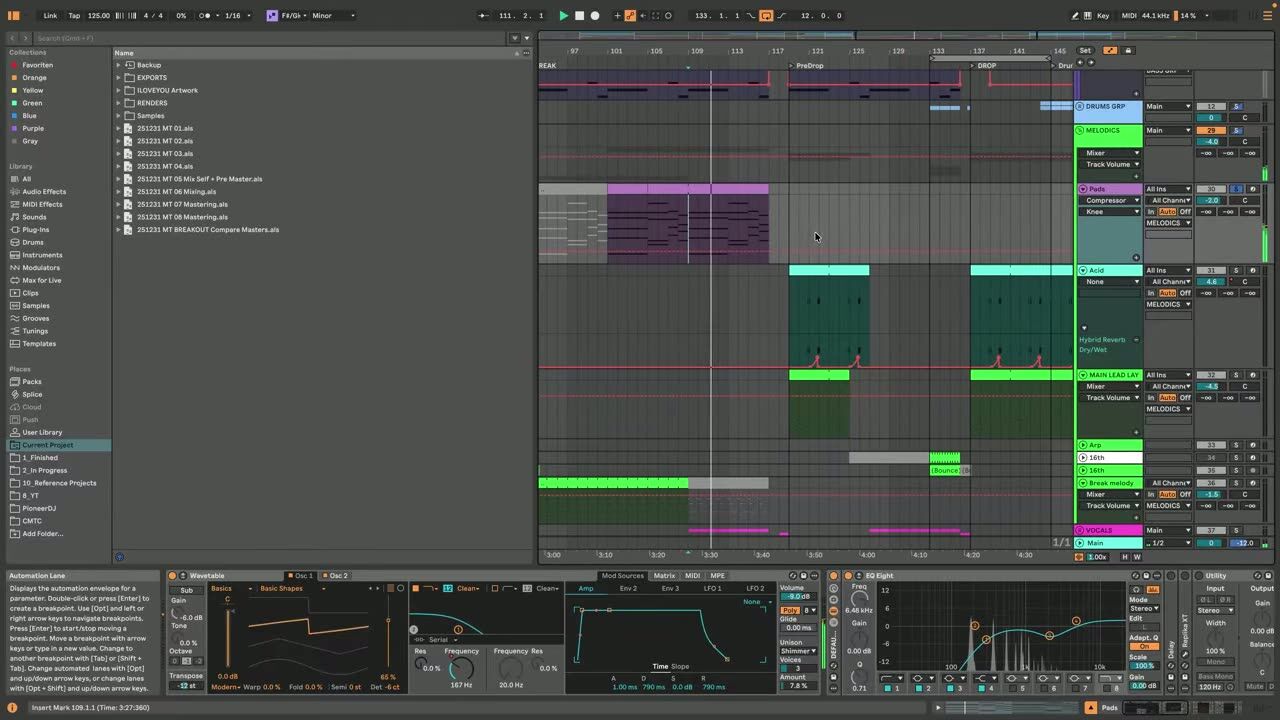
Melodic techno keeps things moving with slow evolution and leans into emotion in its melodies. Bringing that into psytrance means letting parts change gradually across the track and writing melodies that carry feeling, not just energy.
An arrangement that evolves and a melody that means something is what keeps a listener to the end.