3 Tips for Better Psytrance Melodies
Watch the full breakdown
Weak melodies usually share the same problems: too many notes, no rhythmic identity, and no movement. Fixing those three things does more for a melody than any amount of note-picking.
In the video Psiger shares three tips for writing better psytrance melodies. Here they are.
- Build melodies from rhythm and short motifs, not runs of notes.
- Use question-and-answer phrasing so the melody has shape and conversation.
- Keep it simple. If you can hum it after one listen, it works.
- Cut notes rather than add them, and let space do some of the work.
- Add movement with automation so a simple melody stays interesting on repeat.
Rhythm, motifs and question and answer
▶ Play from 0:51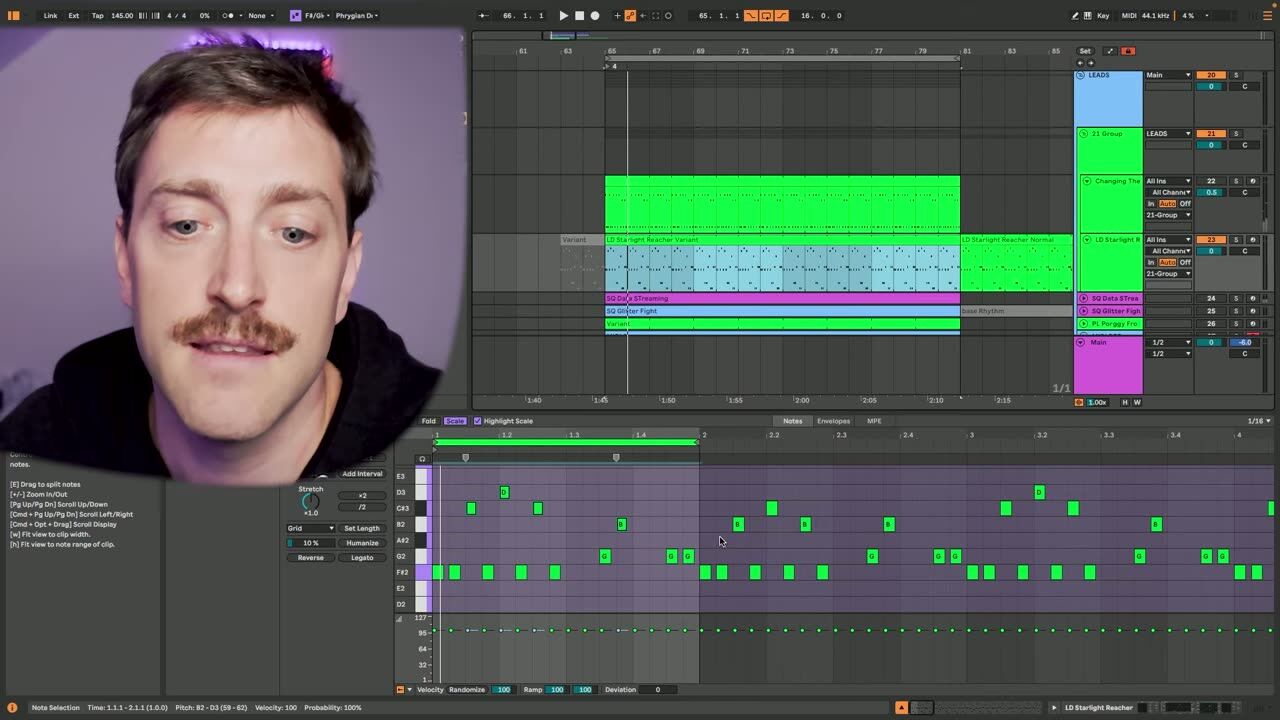
Start with rhythm and build around short motifs. Use question-and-answer phrasing, one phrase asks, the next responds, so the melody has a shape and conversation instead of a flat run of notes. A strong rhythmic motif is the backbone of a memorable hook.
Think in phrases that talk to each other, not in individual notes.
Simplicity
▶ Play from 3:51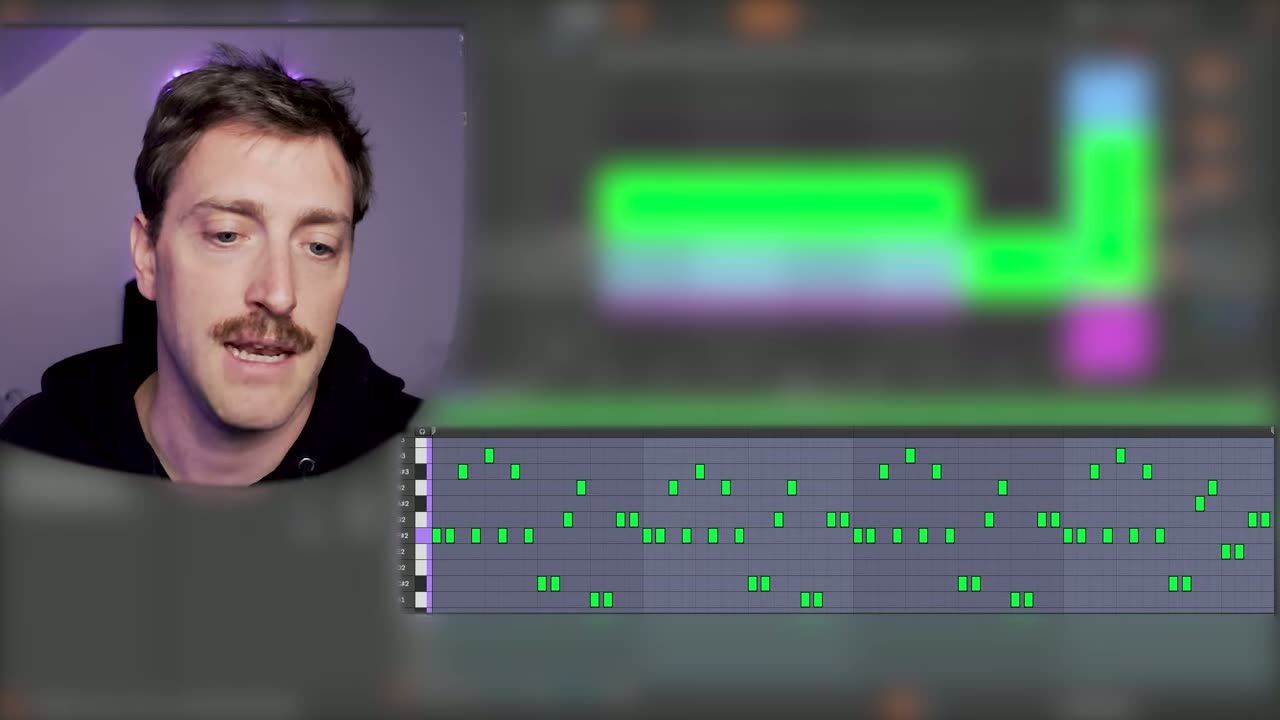
Keep it simple. A melody you can hum after one listen is stronger than a busy line nobody can remember. Cut notes rather than add them, and let space do some of the work.
Simplicity is not laziness, it is what makes a melody stick and last.
Automation for movement
▶ Play from 6:20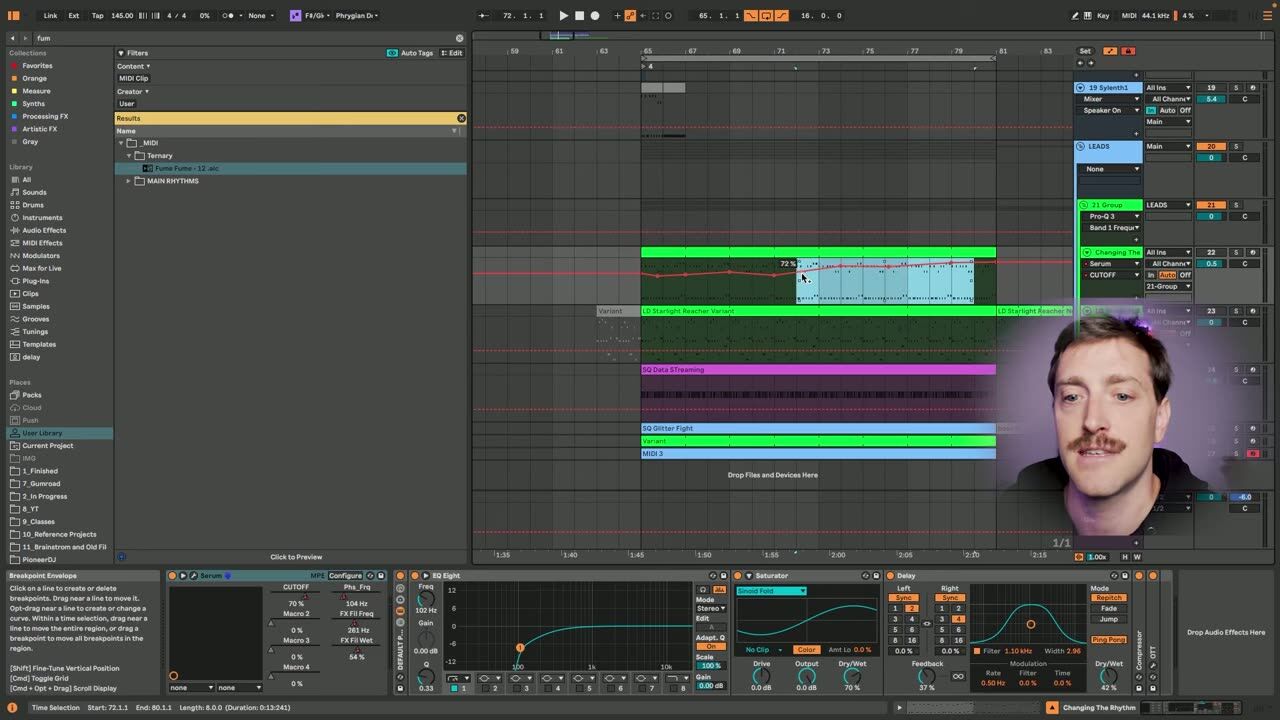
Give the melody movement with automation: filter sweeps, volume shifts, effect changes over time. A simple melody that evolves across a section stays interesting on repeat, where a static one gets boring even if the notes are good.
Automation is how a short loop holds attention over minutes.