3 Tips for the Part After the Drop
Watch the full breakdown
The drop gets all the attention, but the part right after it is where a lot of tracks lose momentum. Handled well, it keeps the energy rolling and leads naturally into the next section. Handled badly, it deflates the track.
In the video Psiger shares three tips for the part after the drop. Here they are.
- The part after the drop is where tracks lose momentum. Keep it moving.
- Introduce a new element or vary the groove so the section evolves.
- Blend elements over the transition so the join between parts is smooth.
- Use filtering to create dips and lifts and shape the energy flow.
- Momentum and flow matter more here than any single new sound.
Keep the arrangement moving
▶ Play from 0:48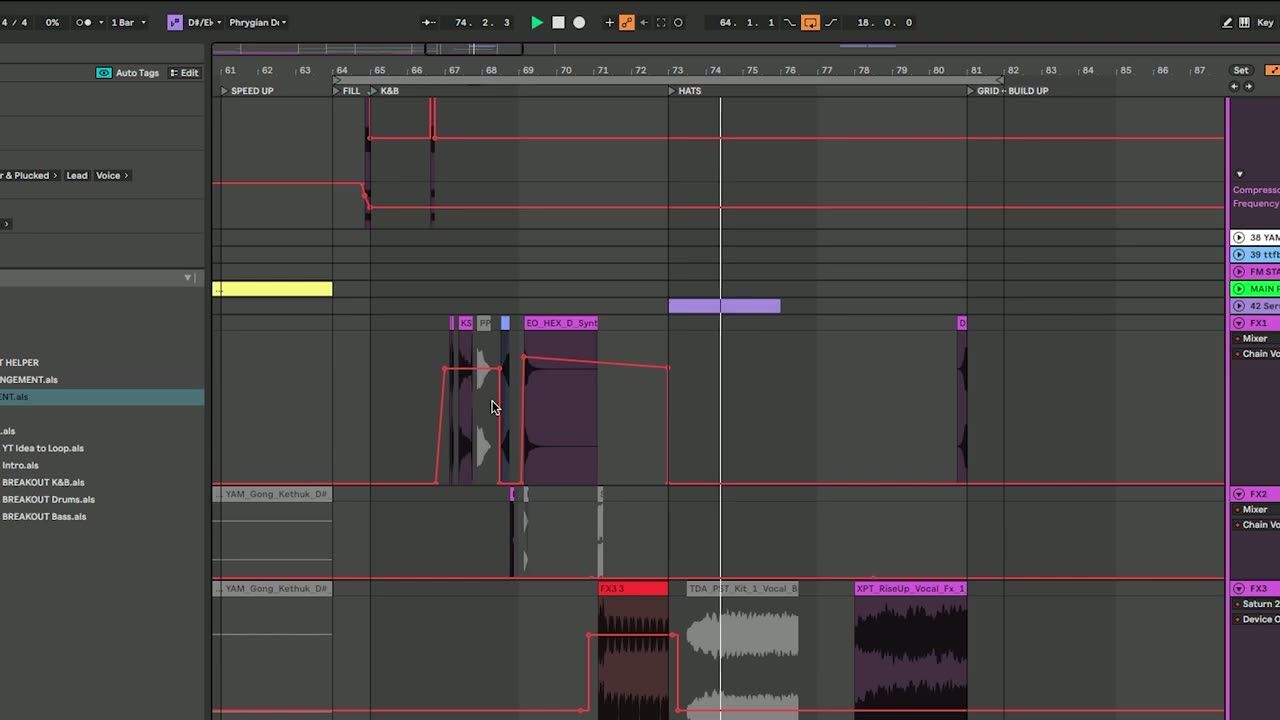
After the drop, the arrangement has to keep evolving so the energy does not sag. Introduce a new element, vary the groove, or shift the focus so the section feels like it is going somewhere rather than just holding the drop.
Momentum is the goal. A static section after the drop is where listeners drift.
Blend over elements
▶ Play from 2:20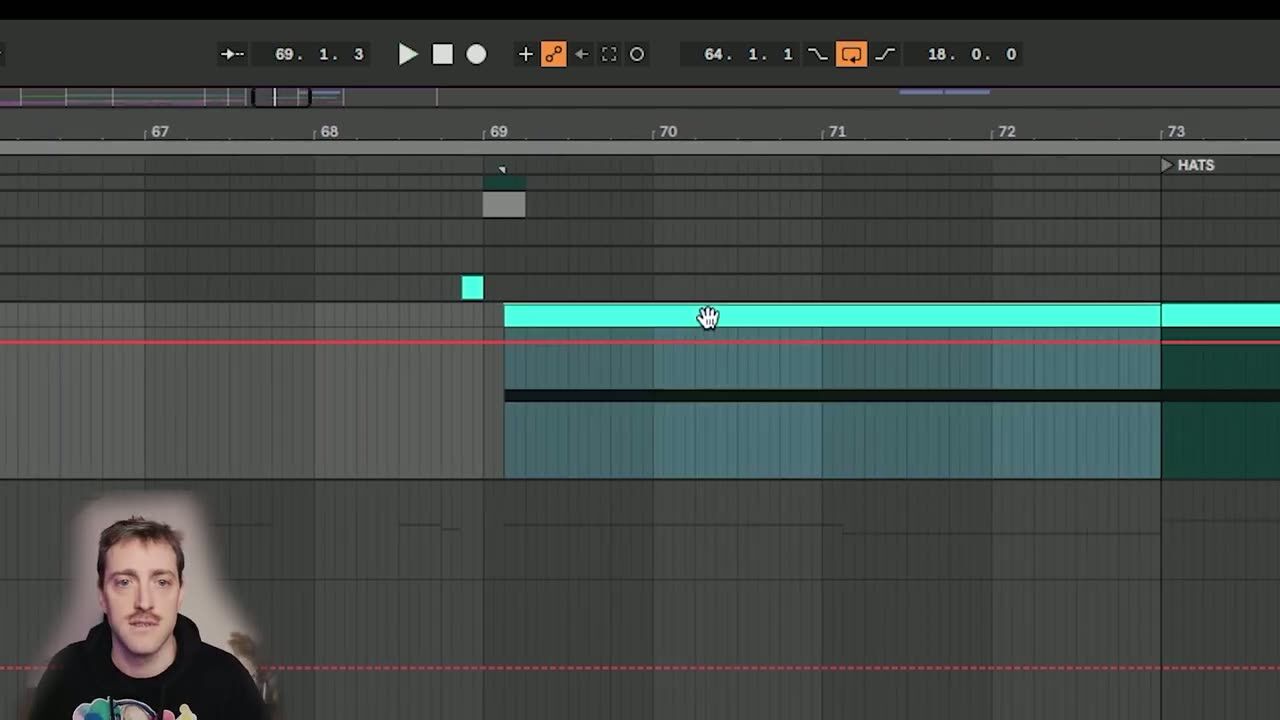
Blend elements over the transition between the drop and the next part so the join is smooth. Overlapping a sound from one section into the next, or fading elements in and out across the boundary, stops the change from feeling abrupt.
Blending is what makes the arrangement flow instead of jumping.
Use filtering to shape the flow
▶ Play from 3:05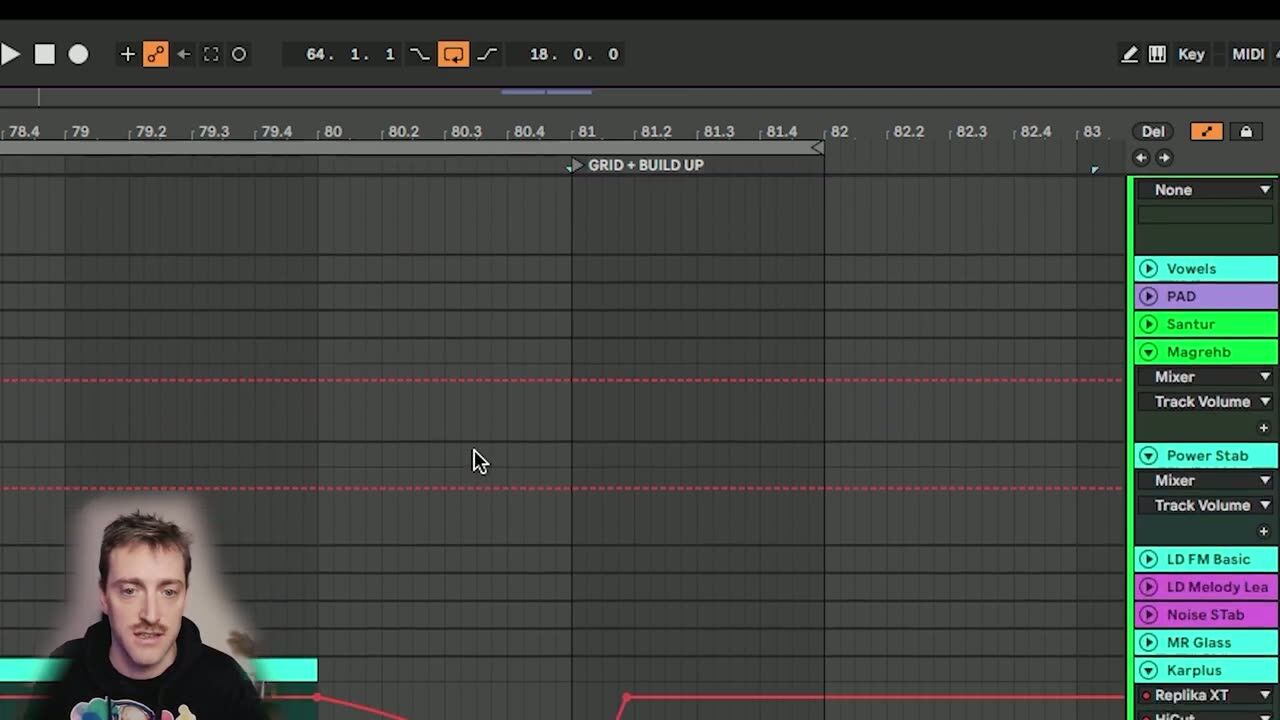
Filtering shapes energy across the section: pull elements down with a low-pass to create a dip, then open them back up to lift the energy again. Automating filters is a simple way to give the part after the drop a natural rise and fall.
Filtering is your fastest tool for controlling flow without changing the arrangement itself.