3 Tips for Better Psytrance Hooks
Watch the full breakdown
A hook is the part of the track people hum afterwards. In psytrance it is often not a big topline but a short, rhythmic motif that repeats and lodges in your head. Making one that sticks comes down to a few principles.
In the video Psiger shares three tips for writing better hooks. Here they are, expanded into what actually makes a hook memorable.
- A hook must be simple enough to remember after one listen.
- If you cannot hum it back, the listener will not either.
- Rhythm makes a hook and repetition drives it home.
- Keep the core recognisable each time the hook returns, vary it only slightly.
- Give the hook space and contrast so it stands out as the peak.
Build around a simple idea
▶ Play from 0:00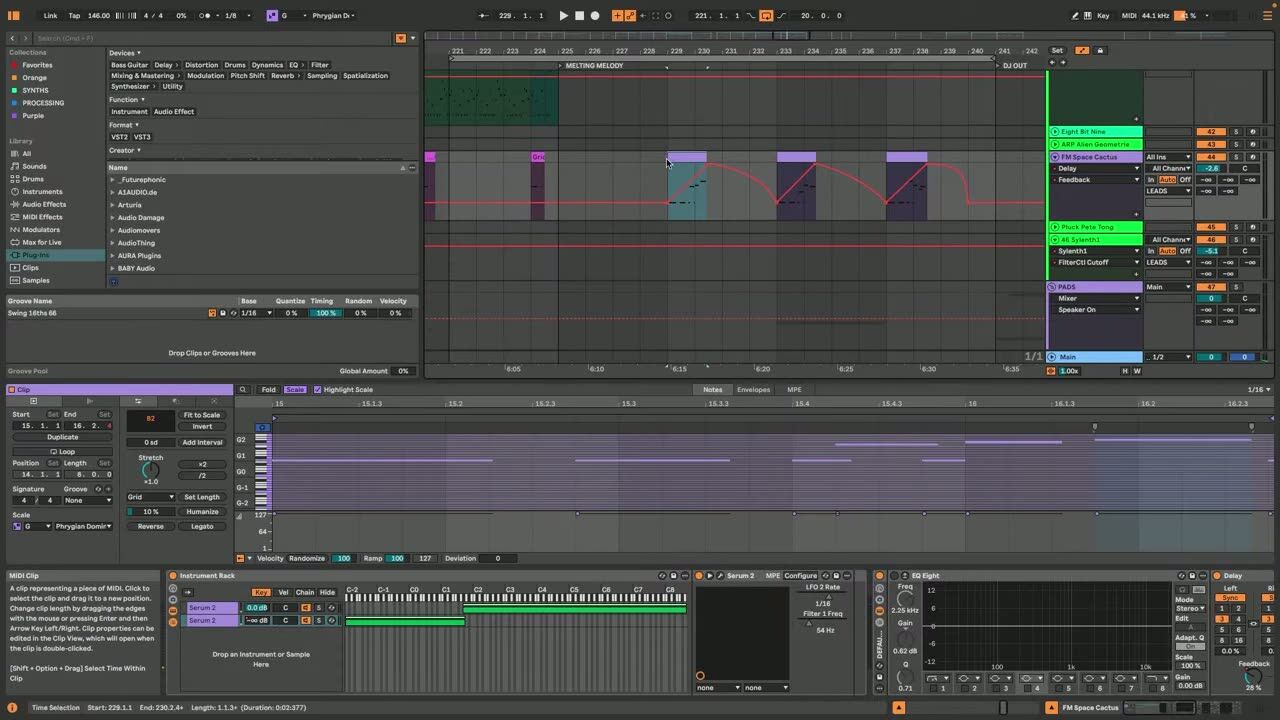
A strong hook is simple enough to remember after one listen. Start from a short, clear motif rather than a busy line. If you cannot hum it back yourself, the listener will not either.
Simplicity is the difference between a hook and just another melodic part. Fewer notes, more impact.
Drive it with rhythm and repetition
▶ Play from 2:30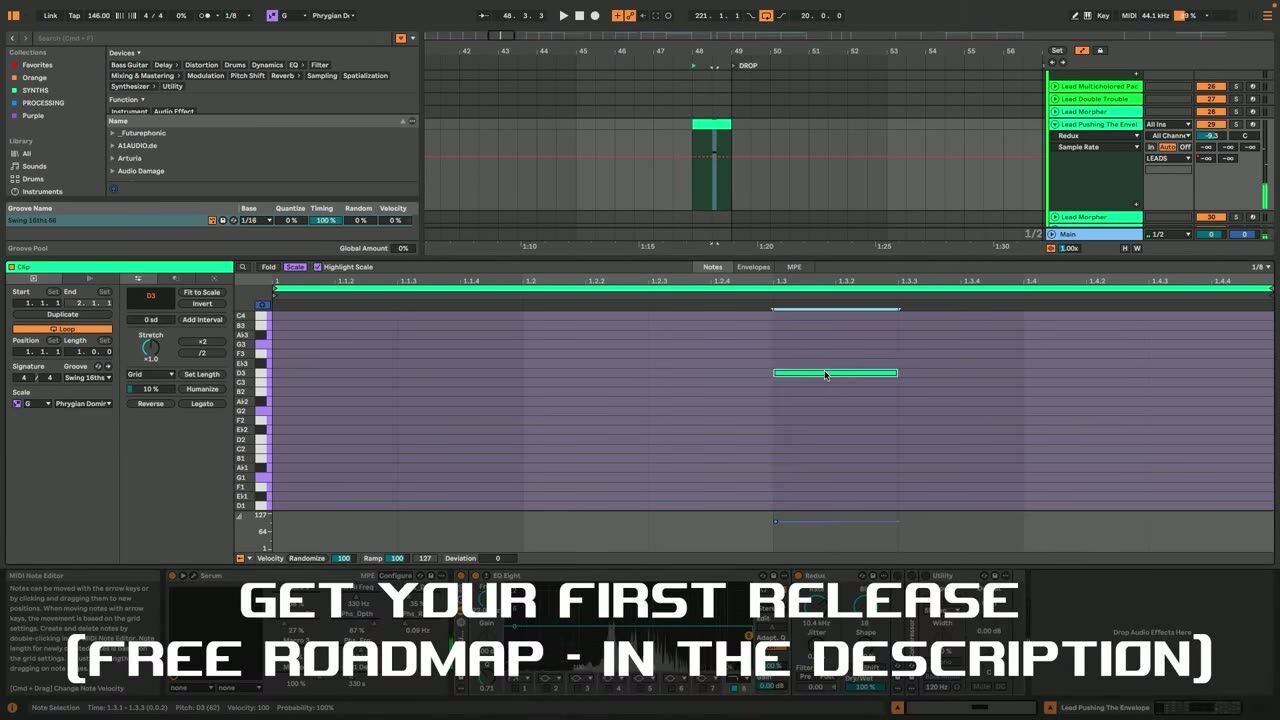
Rhythm makes a hook, and repetition drives it home. A memorable motif placed on a strong rhythm and repeated across a section becomes the identity of the track. Repetition is not lazy, it is how a hook gets remembered.
Vary it just enough to stay interesting, but keep the core recognisable every time it returns.
Give the hook contrast and space
▶ Play from 5:00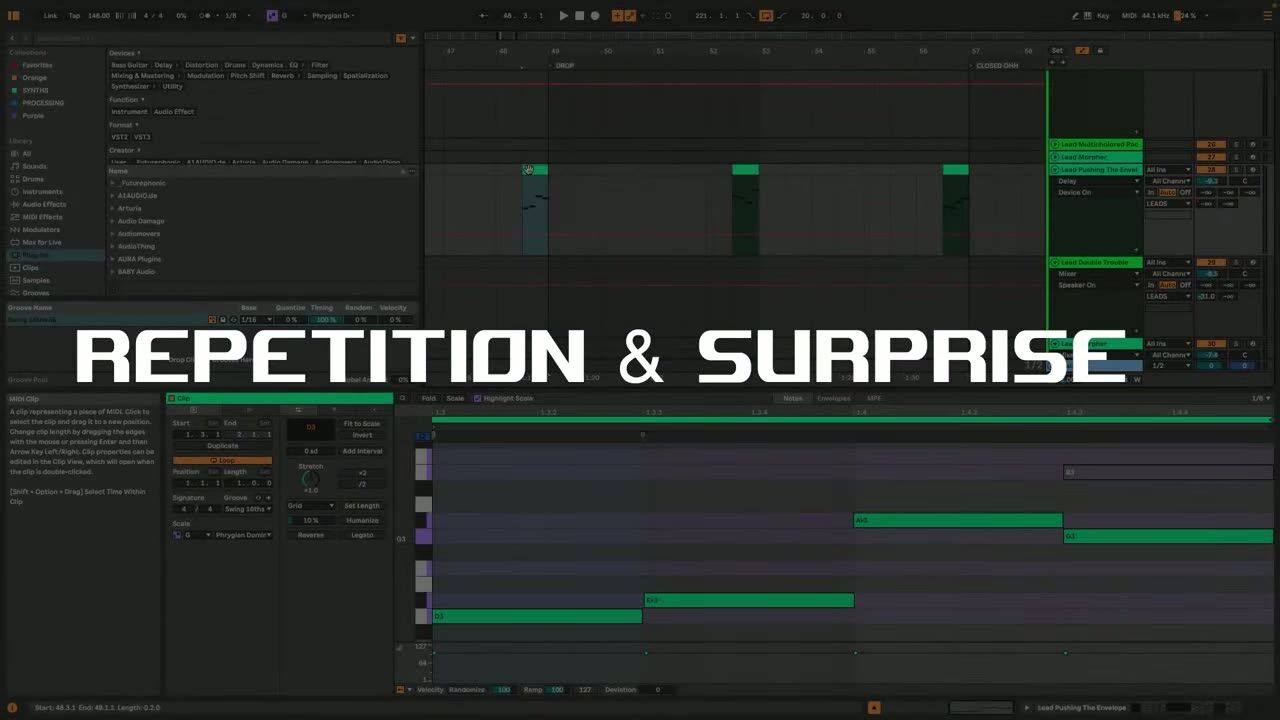
A hook only stands out if something around it steps back. Give it space by thinning the arrangement when it plays, and create contrast against the sections before and after so the hook feels like the peak.
The parts you take away are what make the hook land.