How to Make Psytrance Drum Fills
Watch the full breakdown
Drum fills are what carry a psytrance track from one section to the next, but building them from scratch is slow and using ready-made loops is stiff. There is a better middle path: combine and chop existing fills, then shape them.
In the video Psiger breaks a fill into three core elements, rhythm, timbre and processing, and shows how to blend fills from different banks into transitions that fit your track. Here is the method.
- A drum fill is three elements: rhythm, timbre and processing. Design each on purpose.
- Combine fills from different banks instead of building from scratch.
- Chop, stretch and reverse fills to create variation and tension fast.
- Match the fill rhythm and timbre to the sections it connects so it glues them.
- Finish with glitching, automation and sidechained reverb, tastefully.
The three elements of a drum fill
▶ Play from 0:00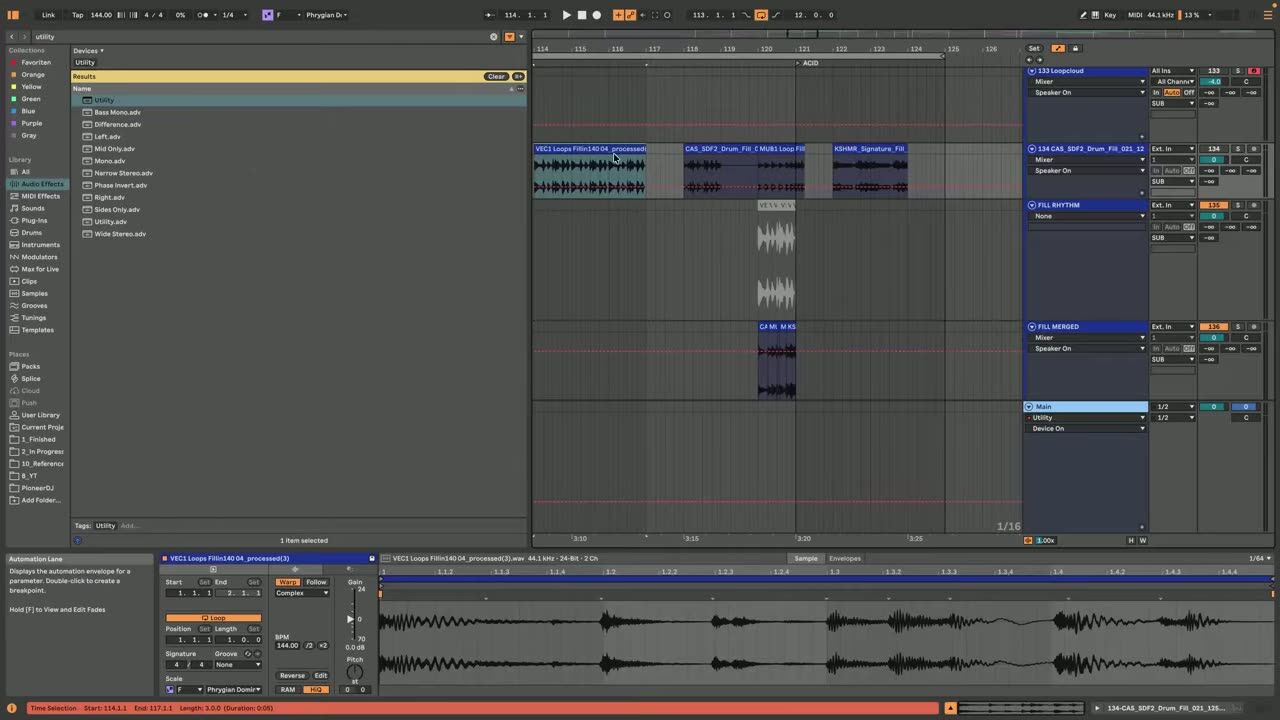
Every fill comes down to three things: rhythm (the pattern of hits), timbre (the character of the sounds), and processing (how you treat them). Thinking in these three layers makes fills far easier to design than staring at an empty clip.
If a fill is not working, one of these three is off. Diagnose which and fix that.
Combine fills from different banks
▶ Play from 1:39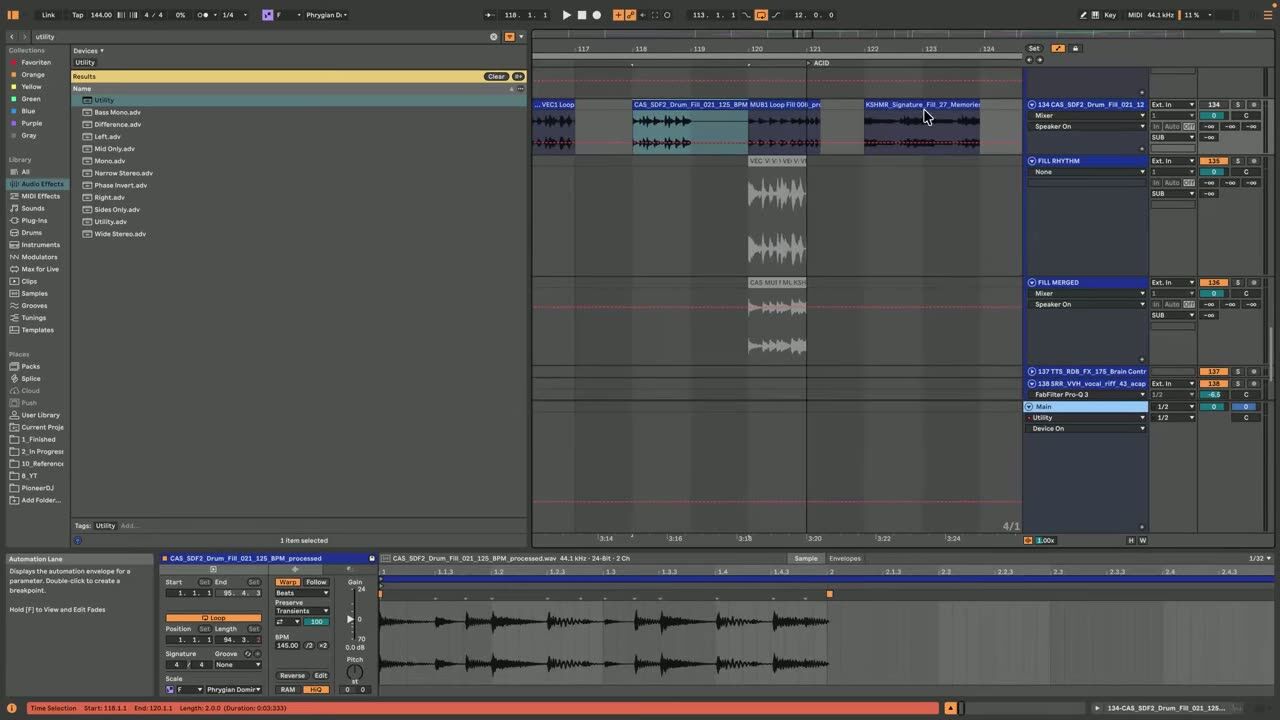
Rather than build from scratch, pull fills from different drum banks and combine them. Mixing sources gives you unique rhythms and timbres you would not program on your own, and it is far faster.
Layering pieces of several fills is where the character comes from.
Stretch and reverse for variation
▶ Play from 2:53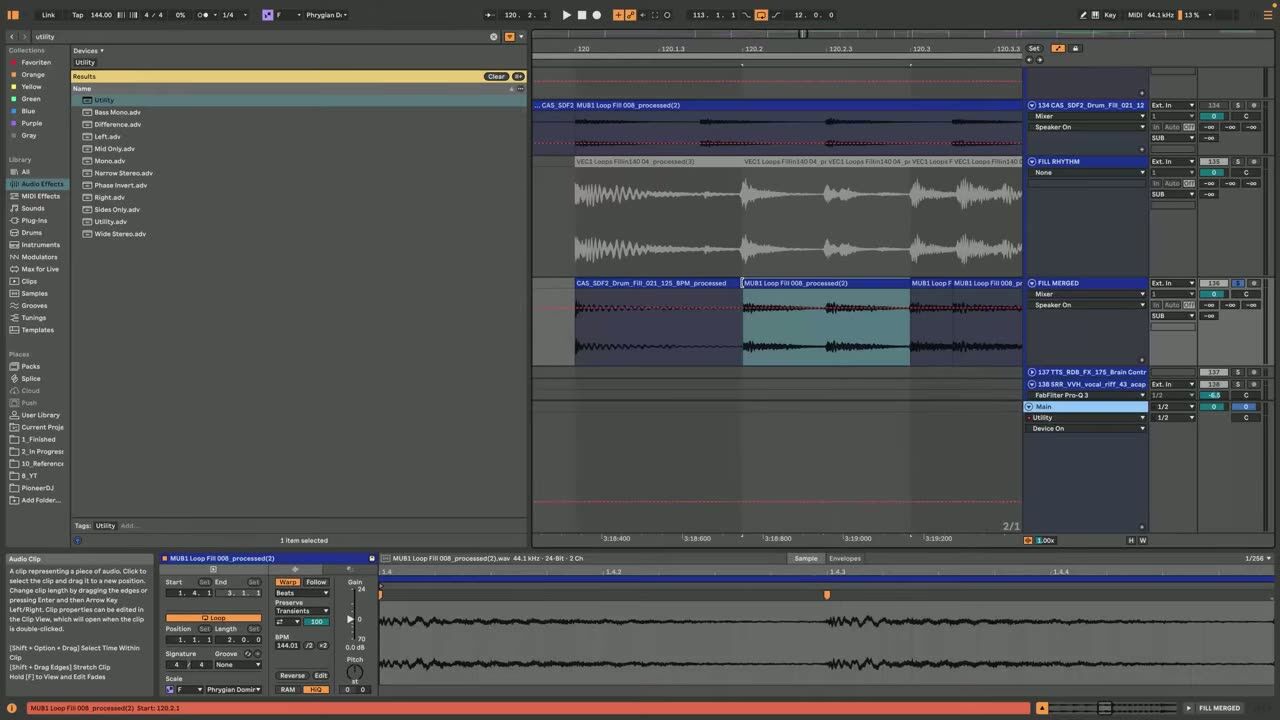
Chop the fills and apply stretching and reversing to create variation and movement. A reversed cymbal or a stretched roll instantly adds tension and signals a transition without needing new samples.
These simple edits multiply how much you can get out of a handful of source fills.
Blend fills for better transitions
▶ Play from 3:24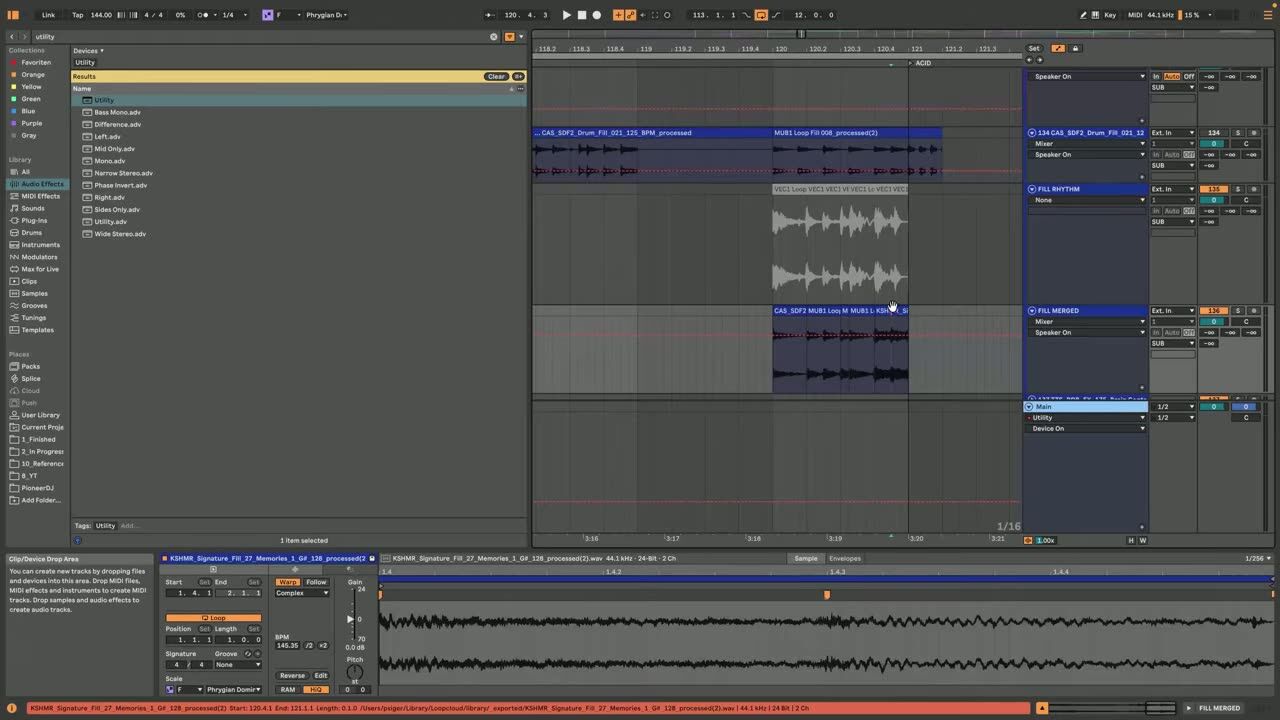
Match the rhythm and timbre of the fill to the sections on either side so it glues them together rather than jumping. Pay attention to sound positioning and arrangement so the fill leads the ear naturally from one part to the next.
A well-matched fill makes a transition feel intentional instead of abrupt.
Effects: glitch, reverb and sidechain
▶ Play from 5:15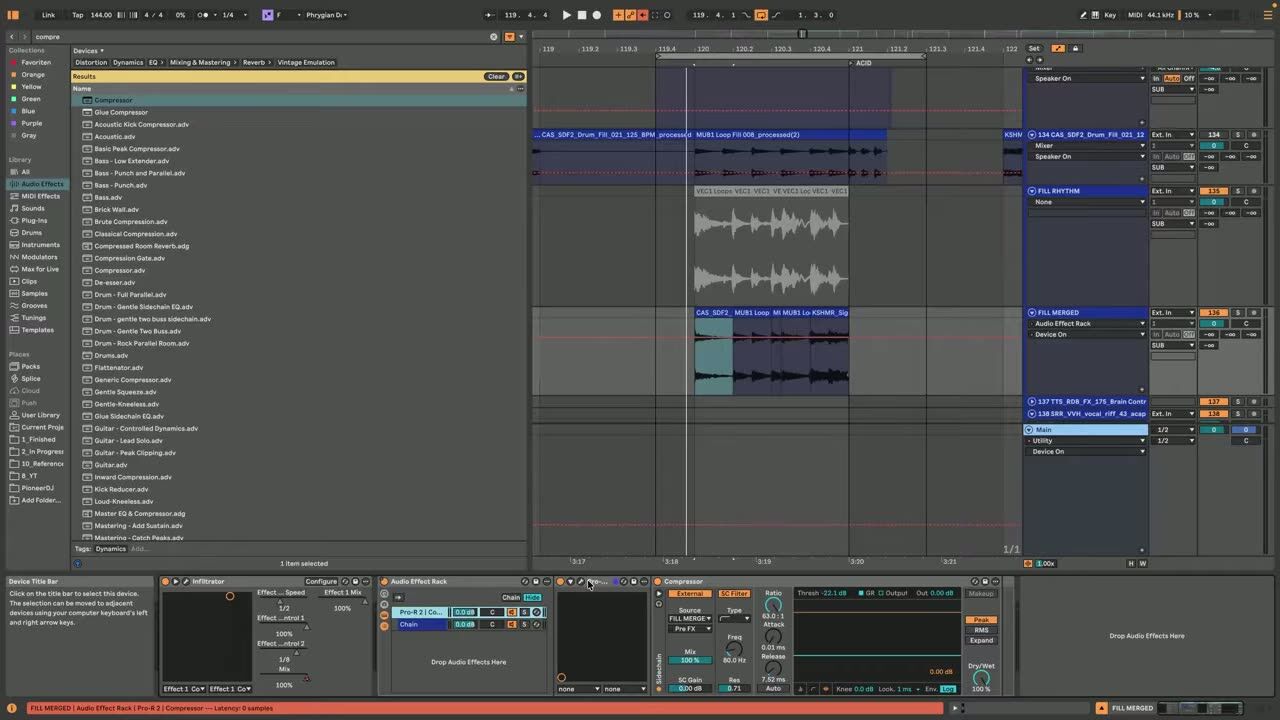
Finish with subtle effects: glitching and automation for movement, plus reverb sidechained to the kick so the tail ducks and stays clean. Creative processing on top is what turns a functional fill into a signature transition.
Keep the effects tasteful. They should support the fill, not bury it.