The Secret to a Huge Psytrance Drop
Watch the full breakdown
Two producers can use the exact same sounds and get completely different drops. The difference is not the samples, it is the setup. A huge drop is built by the build-up before it, using automation to create tension that the drop then releases.
In the video Psiger contrasts an amateur and a pro drop and shows the three hacks behind the pro version. Here they are.
- The same sounds can make a great or a weak drop. The setup is what changes.
- Use the build-up to undermine the energy: cut lows, boost highs, drive everything upward.
- Keep the build consistent. Everything should move in the same direction to build tension.
- Layer risers and downfalls, and use different elements and pitch movement, so the drop has somewhere to go.
- Create contrast right at the drop. Pull energy back, then release it. Contrast beats volume.
Amateur vs pro drop, same sounds
▶ Play from 0:00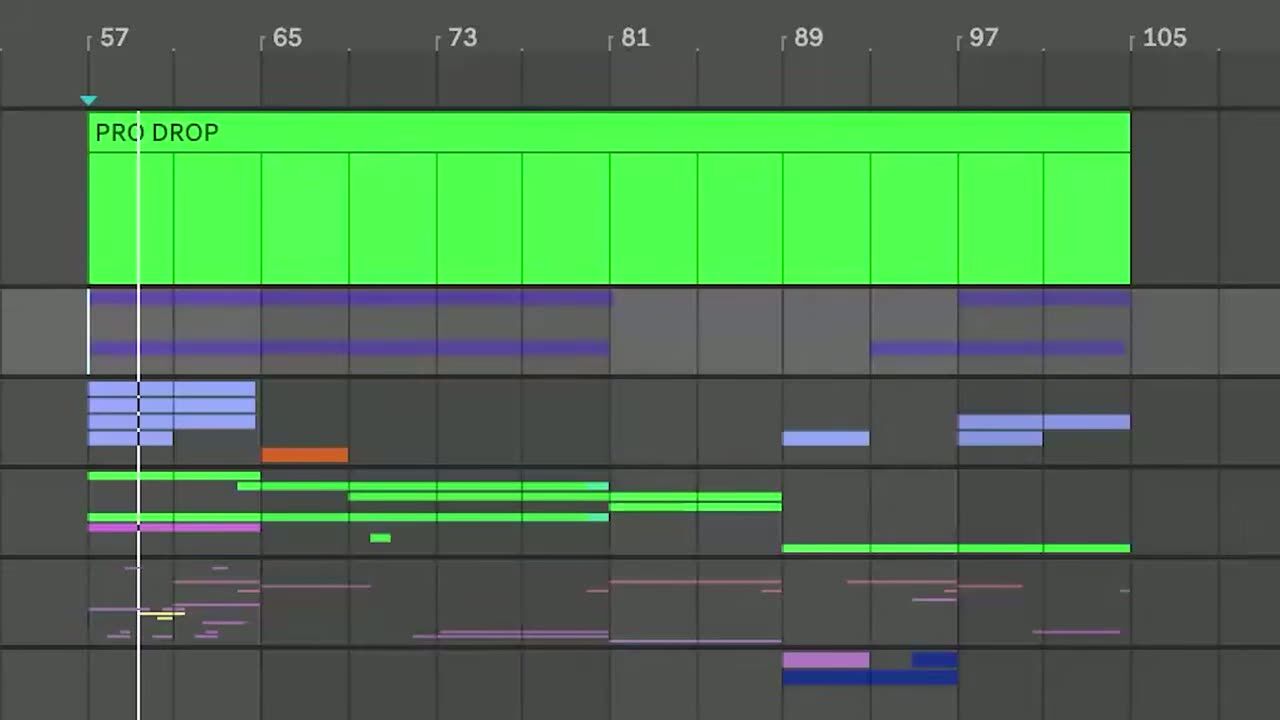
The video starts by playing the same drop built two ways. The sounds are identical, but one lands and one falls flat. That proves the drop is made by everything around it, not by the sounds inside it.
Once you accept that, you stop hunting for a magic sample and start working on the setup.
Why your build-ups kill your drops
▶ Play from 2:01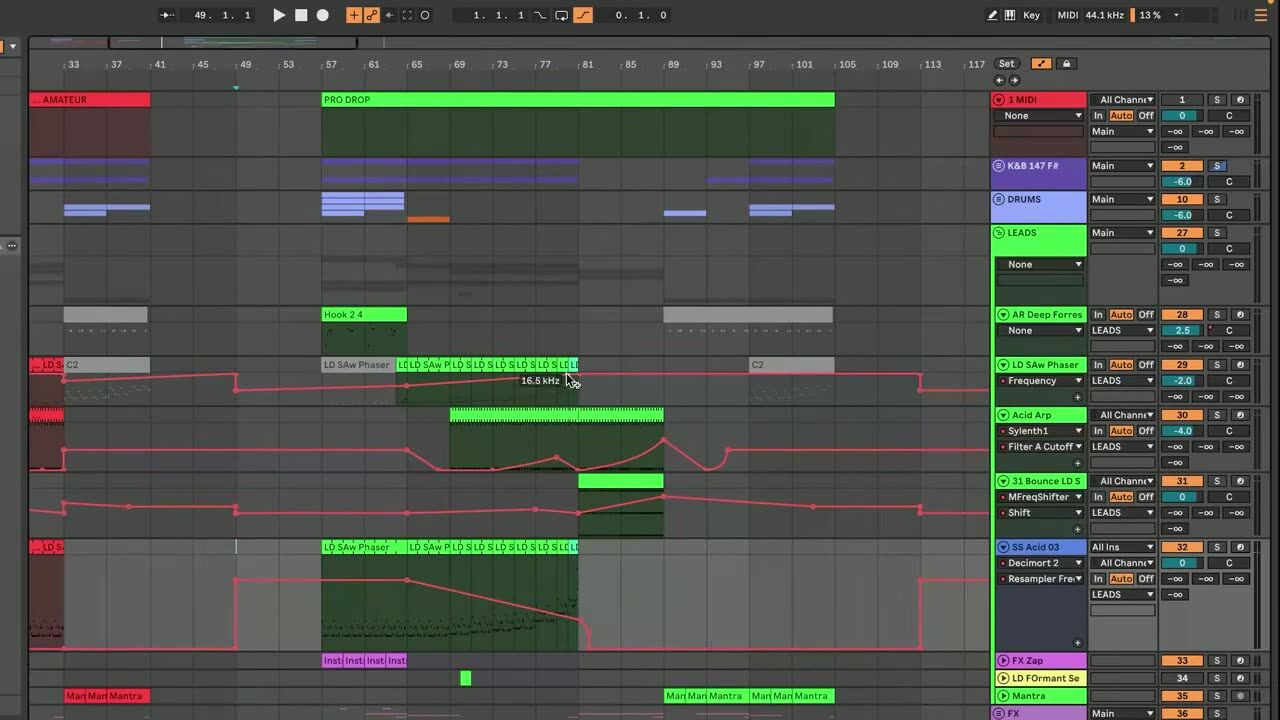
The build-up should undermine the feeling you want the drop to deliver. Use filters to cut the lows and boost the highs, and automate volume and effects to drive everything upward, so the track feels like it is straining to release. If the build-up already gives away the energy, the drop has nothing left to deliver.
Consistency matters: everything in the build should move in the same direction to maximise tension.
Make your elements speak
▶ Play from 3:16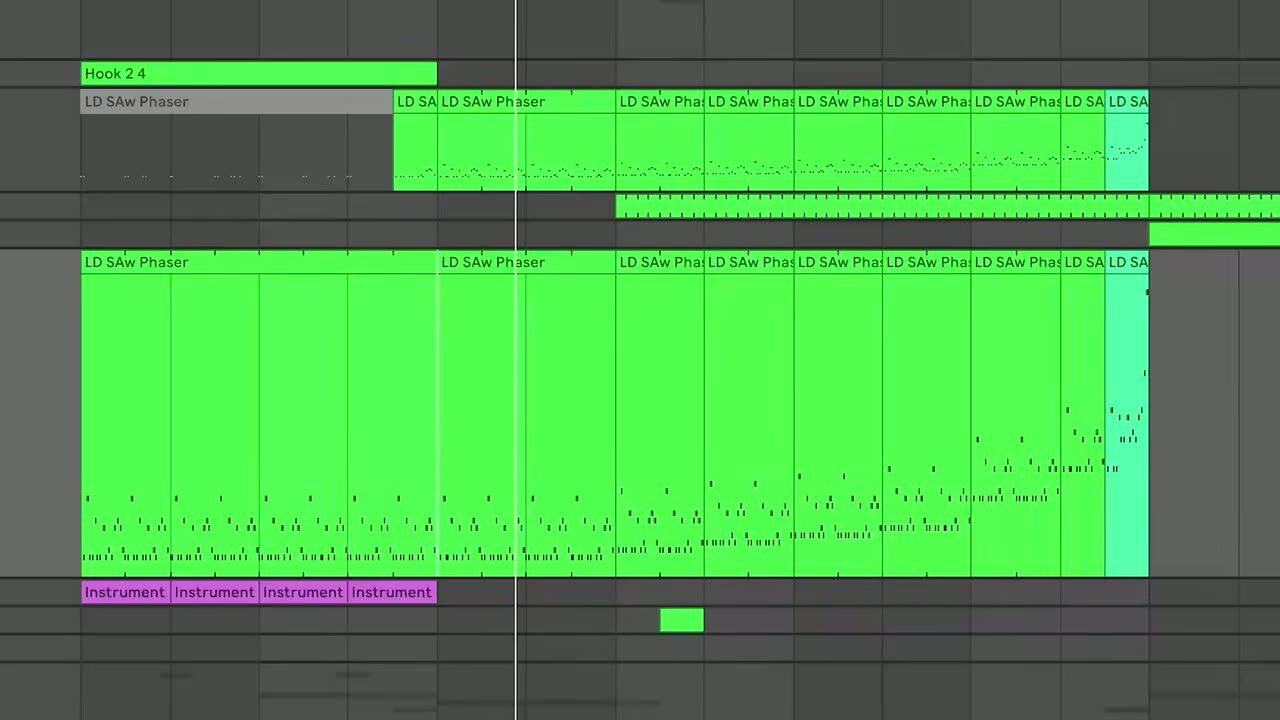
A pro drop is not just louder, it uses different elements and musical movement. Layer FX like risers and downfalls to signal the change, and choose elements and pitch movement that give the drop somewhere to go.
These missing ingredients are what make the drop feel like an arrival rather than a section that simply continues.
The energy trick that makes drops hit
▶ Play from 5:38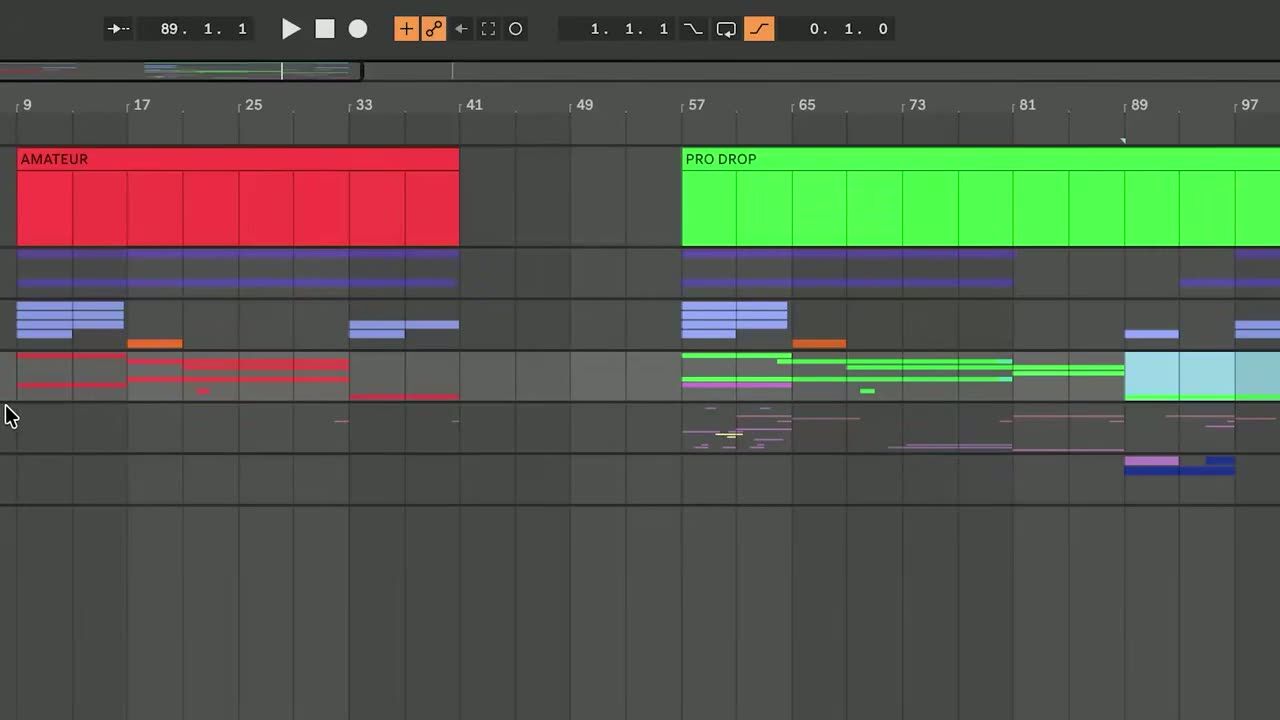
The final move is the energy trick: create contrast right at the drop. Pulling energy back just before, then releasing it fully at the drop, makes the drop feel bigger than its actual level. The ear judges the drop relative to what came before it.
Contrast, not volume, is what makes a drop hit hard.