How to Make a Reese Bass for Psytrance
Watch the full breakdown
A Reese bass is the growling, moving low end you hear all over neurofunk and darker psytrance. It is not one preset, it is a technique: stack a couple of detuned saws so they beat against each other, then shape that motion with filtering and phase so it feels alive instead of static.
The trap is that all that width and detune fights the kick. In the video Psiger builds the sound and then does the unglamorous work that actually matters: keeping the sub mono and tight so the Reese growls in the mids without smearing the bottom of the track.
- A Reese is detuned saws beating against each other. The movement comes from the detune interval, not from effects.
- Modulate the filter cutoff to turn the static drone into a growl that speaks across the bar.
- Keep the sub mono and centred. Width in the low end phase-cancels on club systems and kills your bass.
- Let stereo width and movement live in the mids and highs only, above the sub.
- Share the low end with the kick using sidechain or filtering so both punch through.
What a Reese actually is
▶ Play from 0:00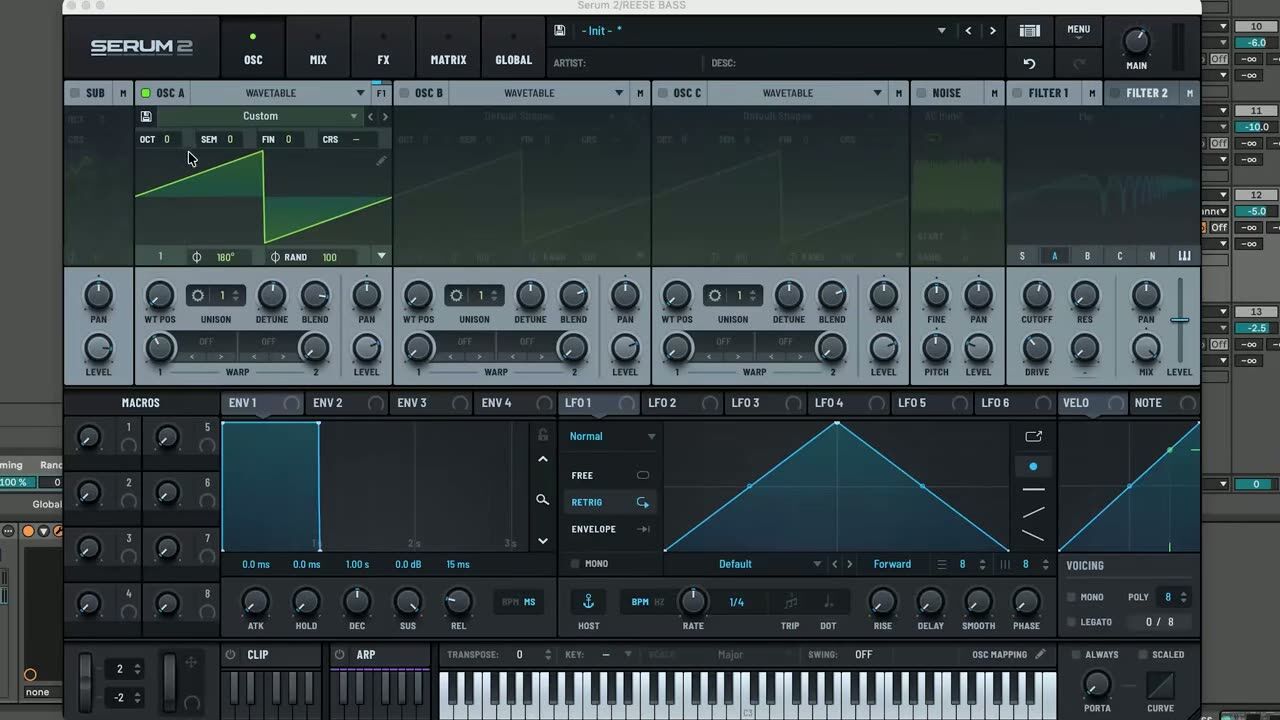
A Reese starts as two or more saw waves detuned against each other. That detune is what creates the slow beating, phasing movement that gives the bass its character. Get the interval of detune right and the sound already moves on its own before you add a single effect.
Think of it as motion built into the oscillators, not painted on afterwards. Too little detune and it sounds flat, too much and it turns seasick. Dial it until the movement feels musical at your track tempo.
Shape the growl with filtering
▶ Play from 2:00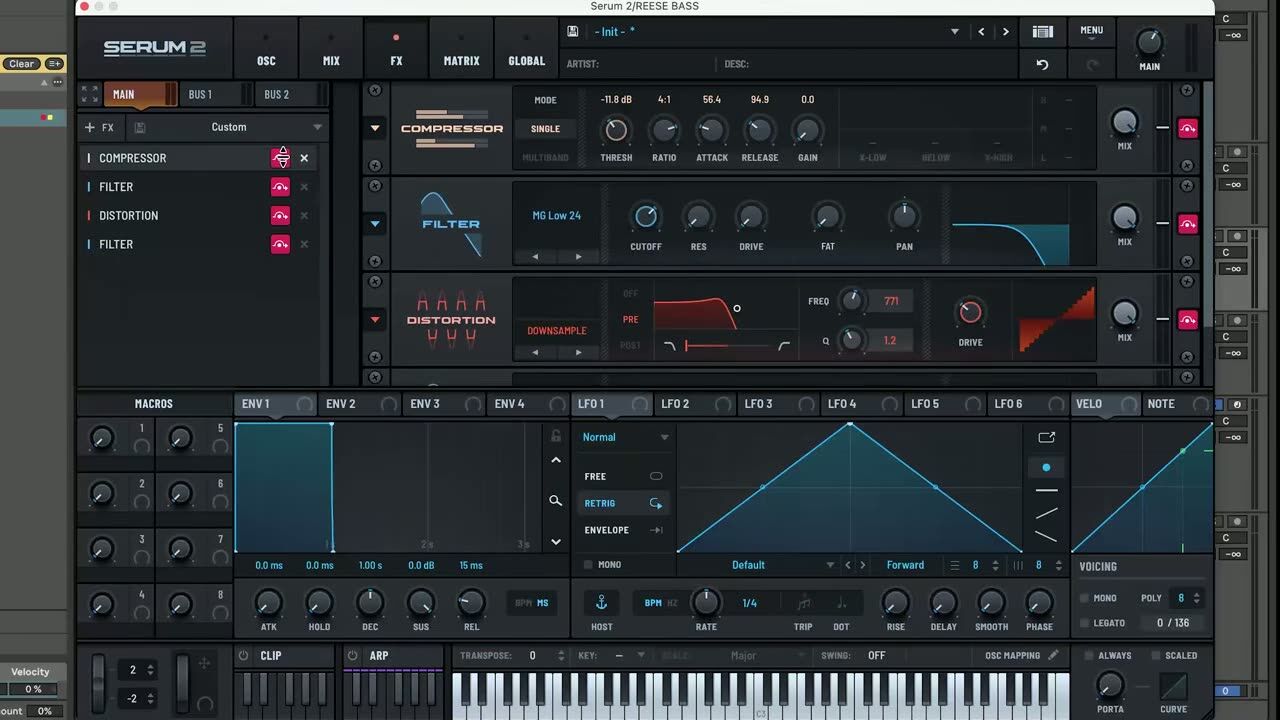
Once the raw detuned saws are moving, the filter is where you carve the growl. Automating or modulating the cutoff pulls harmonics in and out and turns a static drone into something that speaks. This is the difference between a pad-like Reese and one that has attitude.
Keep the resonance under control so the filter movement stays a growl and does not become a whistle. The goal is a sound that evolves across a bar, not one that screams.
Keep the low end mono and tight
▶ Play from 4:00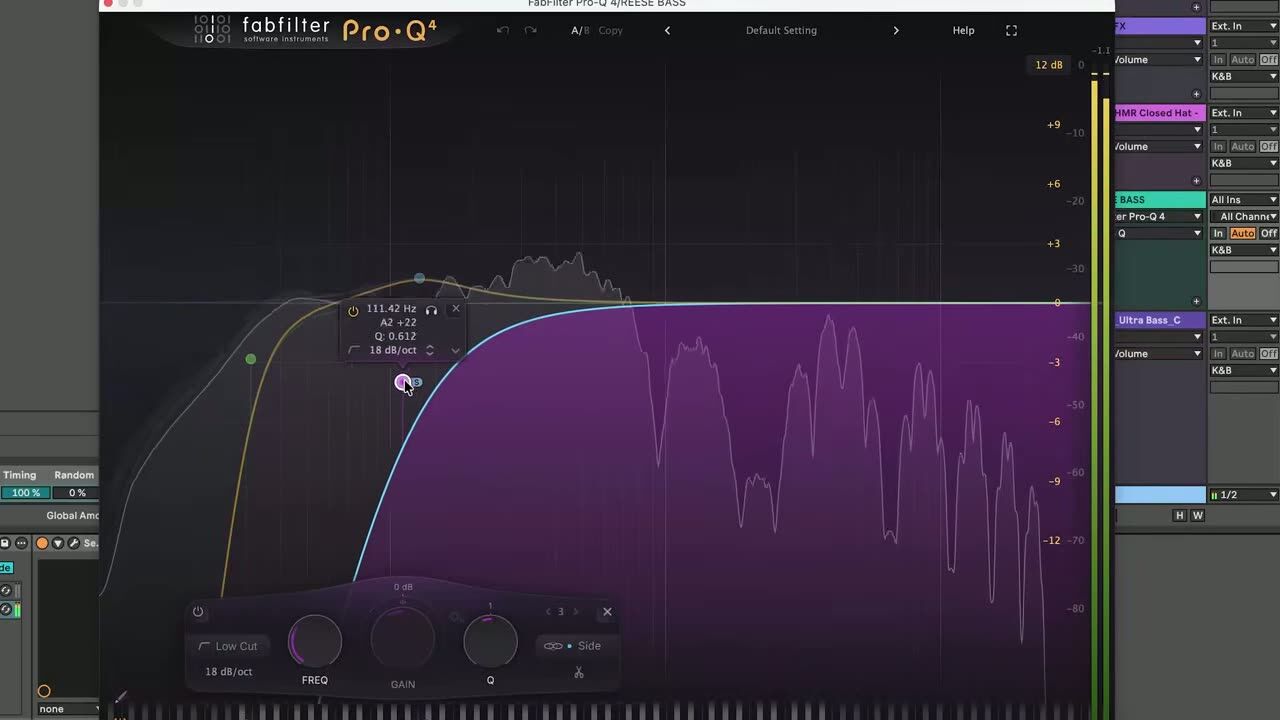
This is the part most people skip. All the detune and width that makes a Reese interesting is poison in the sub range. If the very low frequencies are wide, they phase-cancel on a club system and the bass disappears.
Split the sound: keep the sub mono and centred, and let the width and movement live only in the mids and highs. Now the Reese growls big while the foundation stays solid under the kick.
Fit it under the kick
▶ Play from 6:00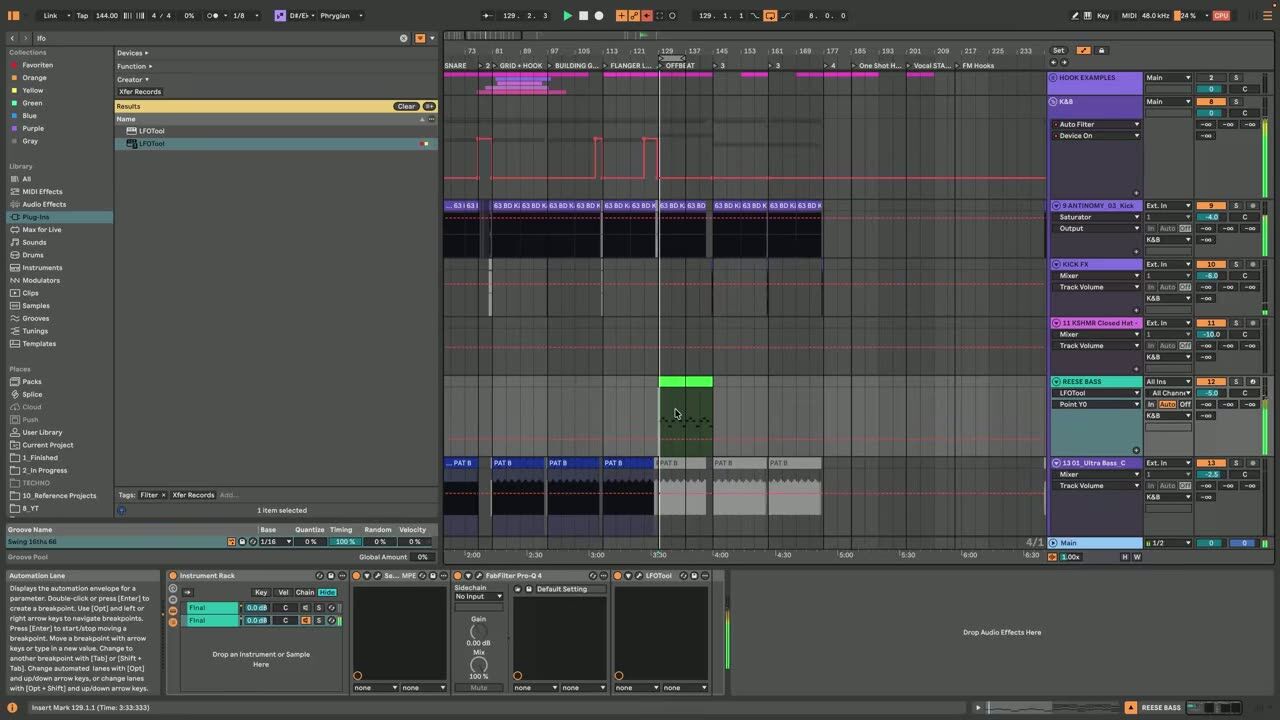
A Reese and a psytrance kick both want the low end, so they have to share. Carve a little space with sidechain or filtering so the kick punches through and the bass fills the gaps between hits.
The test is simple: solo the kick and bass together. If the kick still hits hard and the bass still growls without swallowing it, the pairing works. Everything else in the track goes on top of that.