Psytrance Remix Secrets With MoRsei
Watch the full breakdown
A remix is one of the fastest ways to grow as a producer and get noticed, but a good remix is not a copy with new drums. The key idea, in MoRsei words, is that a great remix should sound like you.
In the video Fran, aka MoRsei, shares his full process from mindset to DAW settings. Here are the secrets.
- A great remix should sound like you, not a copy of the original.
- Listen to the original enough to get its core idea, then set it aside.
- Keep the recognisable hook, usually vocal or lead, and build fresh around it.
- Rebuild the bassline and groove. That is where your identity comes through.
- Change BPM or key with the right warp mode so the stems stay clean.
The philosophy: make it yours
▶ Play from 0:31A remix should sound like your own track that happens to use the original elements, not a slightly-changed version of someone else work. Go in planning to bring your style, your groove and your sound, not to preserve theirs.
This mindset is what separates a memorable remix from a forgettable one.
First steps with the stems
▶ Play from 2:08When the stems arrive, listen to the original enough to understand its core idea, then set it aside so you do not copy it too closely. Pull out the elements worth keeping, usually the vocal or the main hook, and build fresh around them.
Do not over-listen to the original, or you will end up recreating it instead of remixing it.
Change basslines and elements
▶ Play from 3:28Make it fresh by changing the parts that define the energy: rebuild the bassline, swap or redesign elements, and let your groove drive. Keeping the recognisable hook while replacing the engine underneath is how a remix stays connected to the original but becomes your own.
The bassline and groove are where your identity comes through.
Change BPM or key and warp safely
▶ Play from 4:09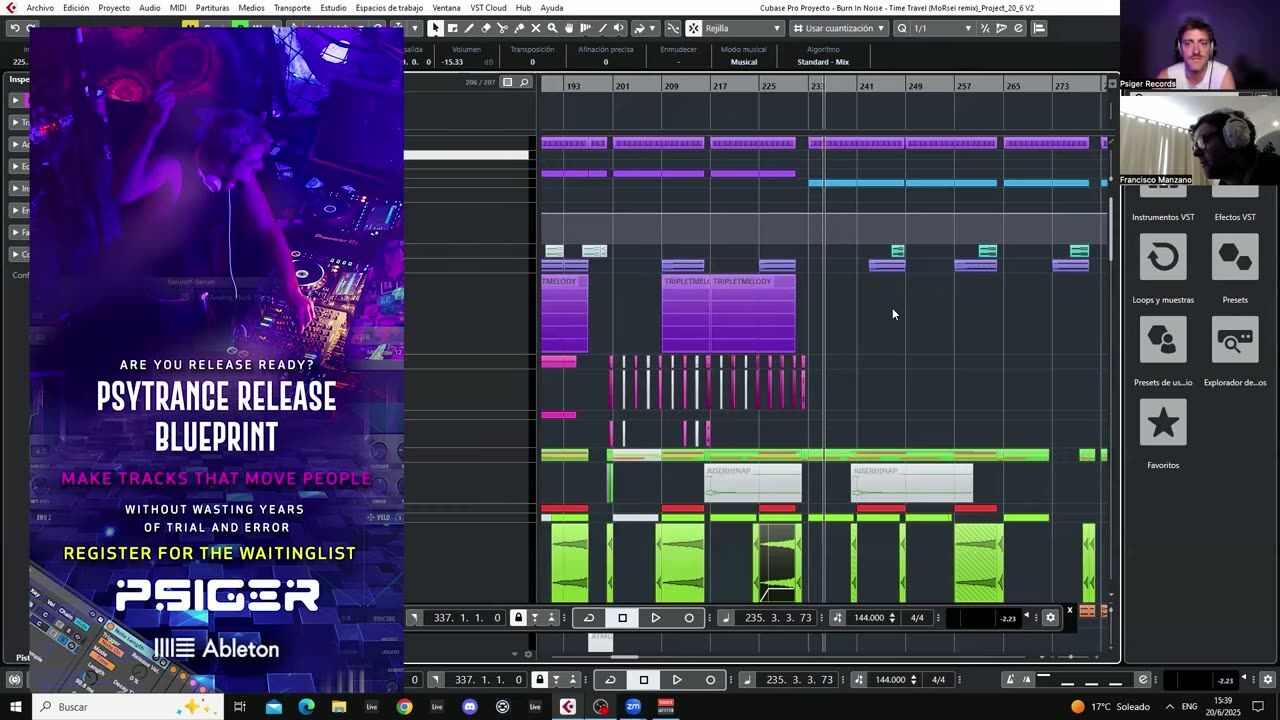
Changing the BPM or key can transform a remix, and warping lets you do it without wrecking the audio. Use the right warp mode for the material and pitch carefully so the stems stay clean. This is where technical care protects your creative choices.
Good warping keeps a big tempo or key change sounding intentional, not damaged.