Man With No Name Possessed: Melody Analysis
Watch the full breakdown
Some psytrance melodies never age. Man With No Name Possessed, in the Acid Punks remix, is one of them, and the reason is not clever note choice. It is rhythm. The melody is built rhythm-first on a Son Clave pattern, and it stays deliberately simple.
In the video Psiger breaks down exactly what makes it so catchy and how you can apply the same thinking to your own lines. Here is the analysis.
- A catchy melody is a strong rhythm with simple notes on top, not a clever scale.
- Write rhythm first, then drop simple notes onto the pattern.
- Borrow a proven groove like the Son Clave instead of inventing one.
- Start the phrase slightly before the loop point to create forward momentum.
- Keep it simple. A strong simple hook is timeless, a busy one dates fast.
Why this melody is so catchy
▶ Play from 0:00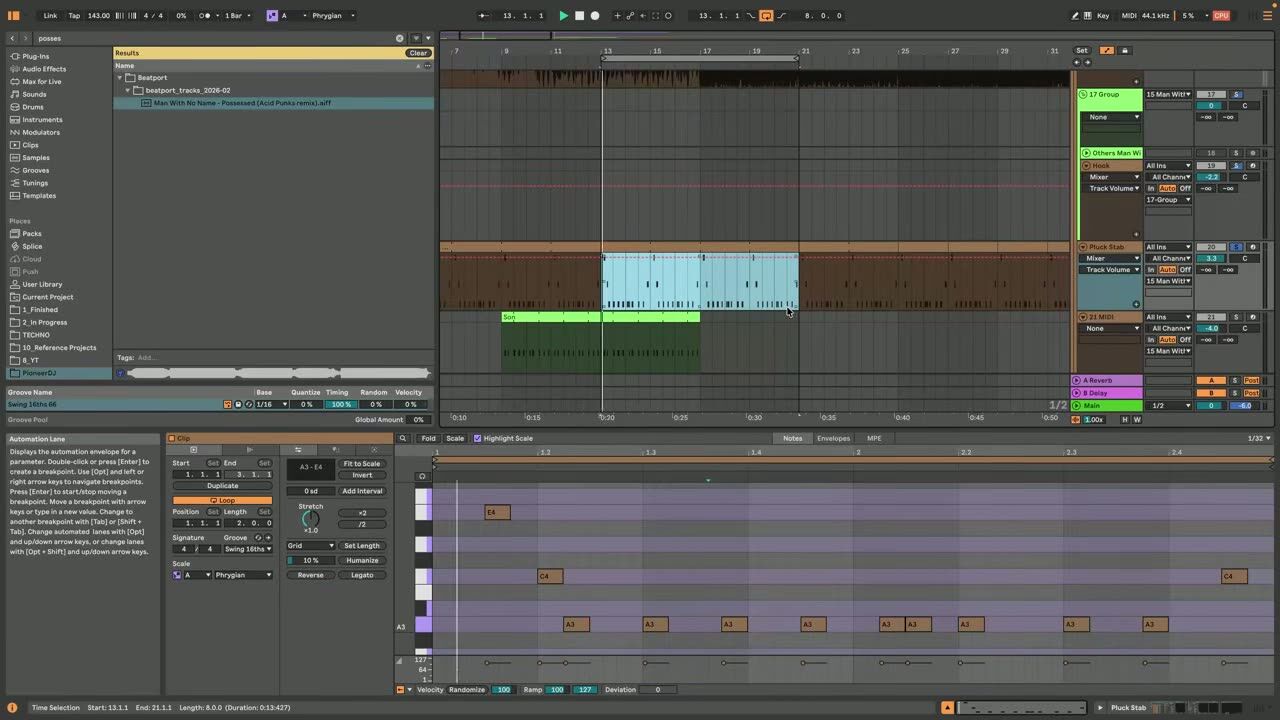
The hook works because of how the notes are placed in time, not because of an exotic scale. A catchy melody is usually a strong rhythm with simple notes on top, and this one proves it.
Once you hear it as a rhythm first, you stop chasing complicated note choices and start where the groove actually lives.
The rhythm-first melody concept
▶ Play from 1:05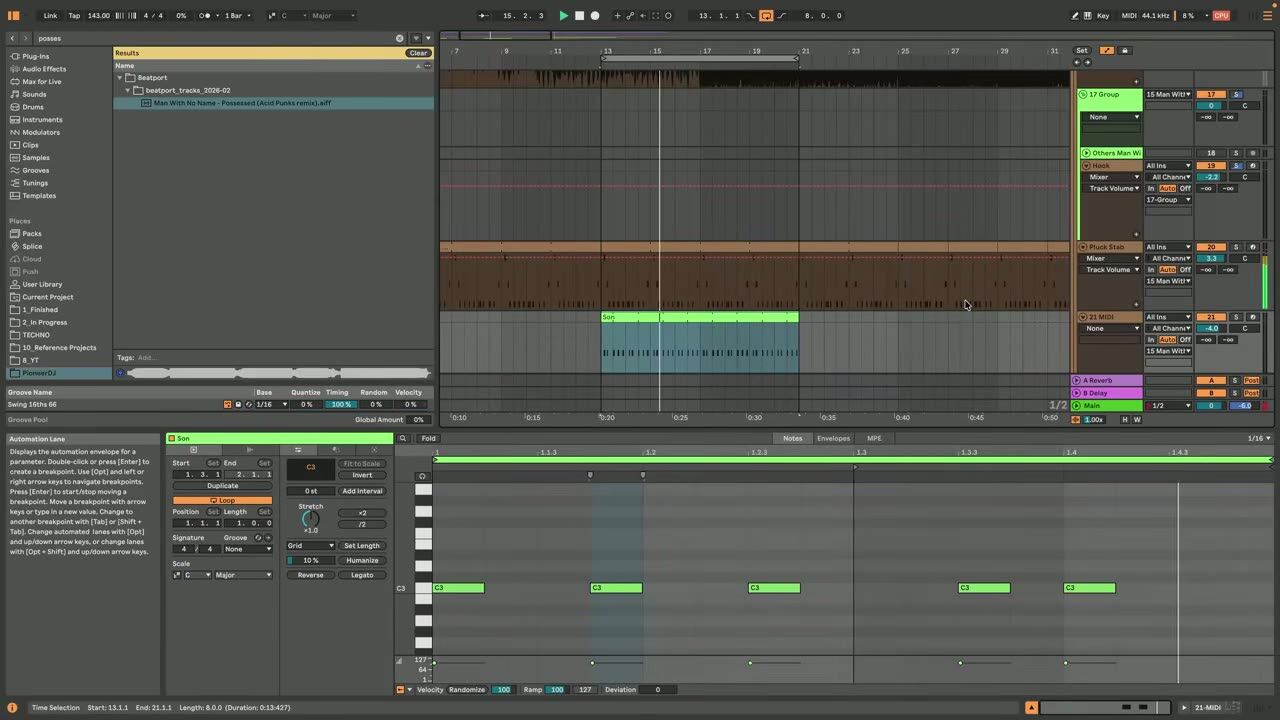
Instead of writing notes and hoping they groove, start with the rhythm. Lock a rhythmic pattern that feels good, then drop simple notes onto it. The rhythm carries the melody, so a handful of well-placed notes is enough.
This flips how most beginners write and it is the core lesson of the whole breakdown.
Using the Son Clave rhythm
▶ Play from 2:06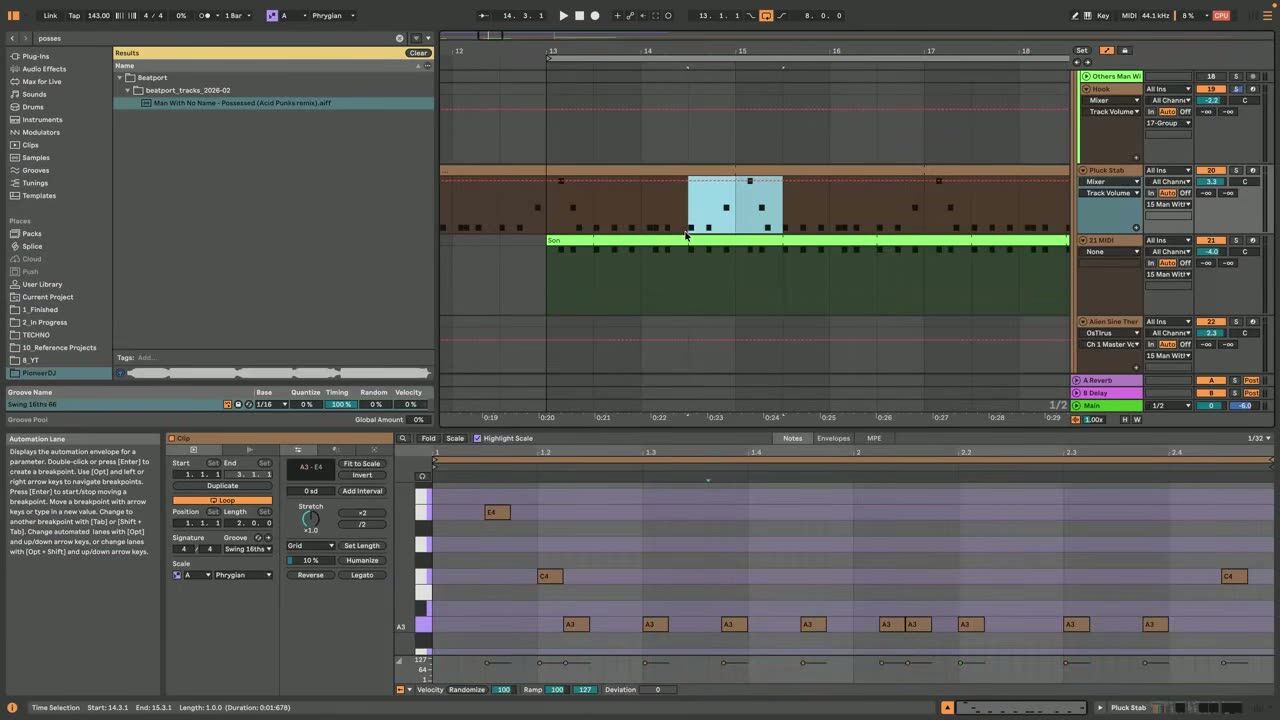
The melody sits on a Son Clave, a syncopated pattern from Latin music that has driven grooves for a century. Borrowing an established rhythm gives your line an instant sense of pull and swing that a straight grid cannot match.
You do not have to invent a groove. Steal a proven one and put your notes on it.
Start the melody before the loop
▶ Play from 3:30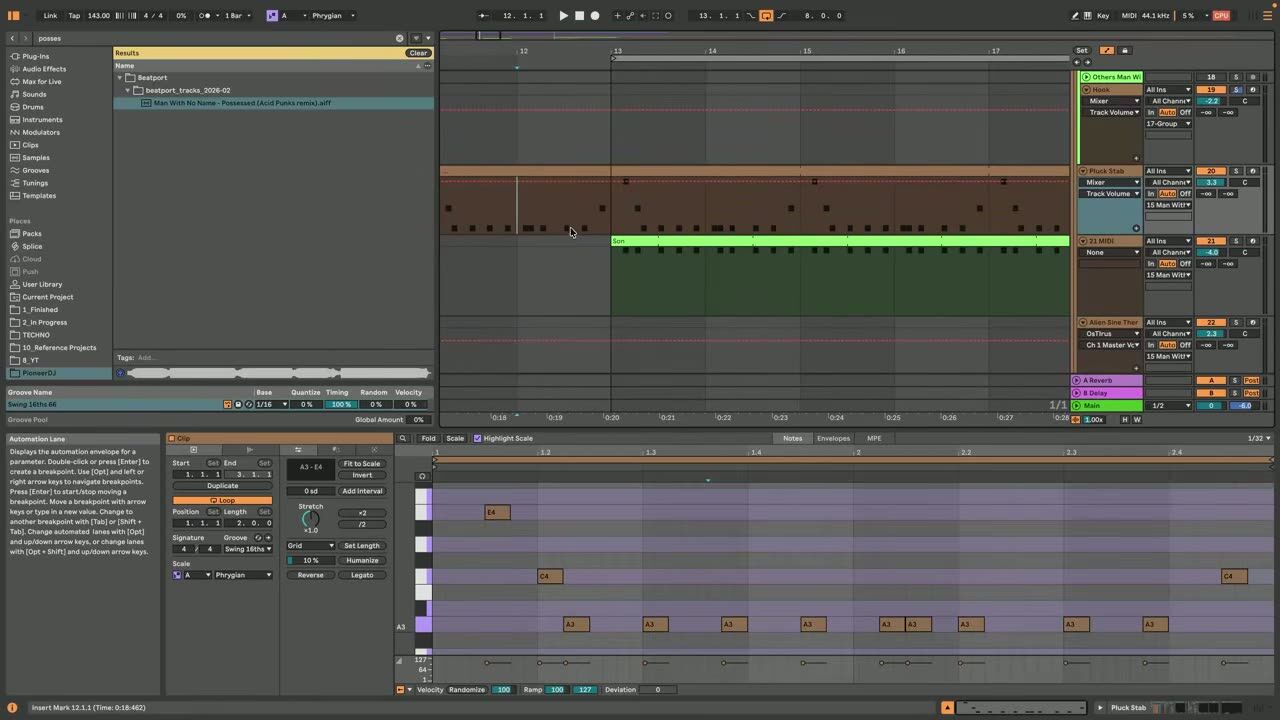
An advanced groove trick: begin the melodic phrase slightly before the loop point rather than neatly on the downbeat. Starting off the barline creates forward momentum and stops the loop from feeling like it resets every bar.
Small placement decisions like this are what make a loop feel alive over a long section.
Why simplicity makes it timeless
▶ Play from 5:13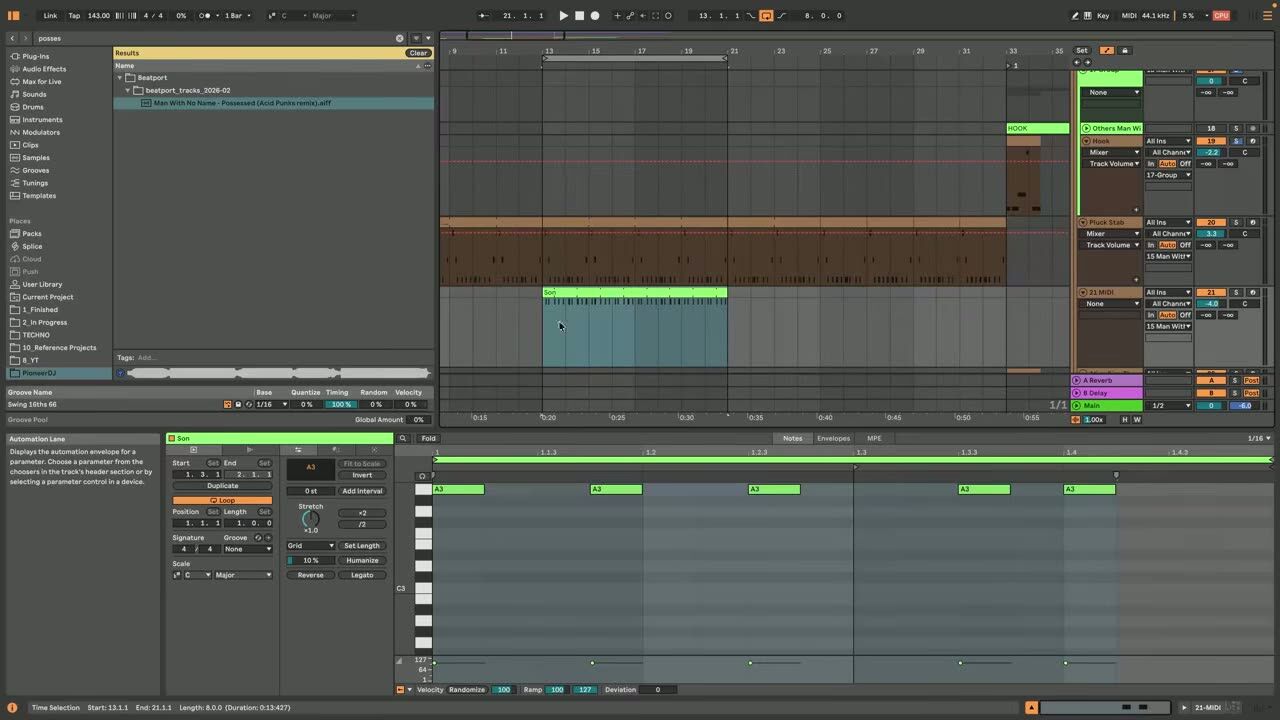
The melody stays simple, and that is why it lasts. A simple, strong idea is memorable and does not date, where a busy, clever line often sounds of its moment and tiring on repeat.
The takeaway: chase a strong simple hook, not a complicated one.