Inside Mind Psytrance Melody Hacks
Watch the full breakdown
Getting a melodic idea rolling quickly is half the battle in psytrance. Renan, aka Inside Mind, uses a structured workflow to build strong melodic parts and leads fast, so the vibe of the track is there early instead of after hours of noodling.
In the video he shares his approach across Serum 2 and Ableton. Here are the hacks.
- A strong melodic idea sets the vibe, so get it right early.
- Start a track with melodic arps to generate movement and mood fast.
- Keep basslines and melodies in the same scale so they reinforce each other.
- Use macros and modulation to add movement and build tension over a section.
- Carry the main melody into grid sections to tie the track together.
Melody philosophy in psytrance
▶ Play from 0:00The starting point is a clear philosophy: a strong melodic idea sets the vibe of the whole track, so it is worth getting right early. Rather than layering complexity, aim for a solid, memorable idea you can build everything else around.
The melody leads the track, so start there with intent.
Start with melodic arps
▶ Play from 2:45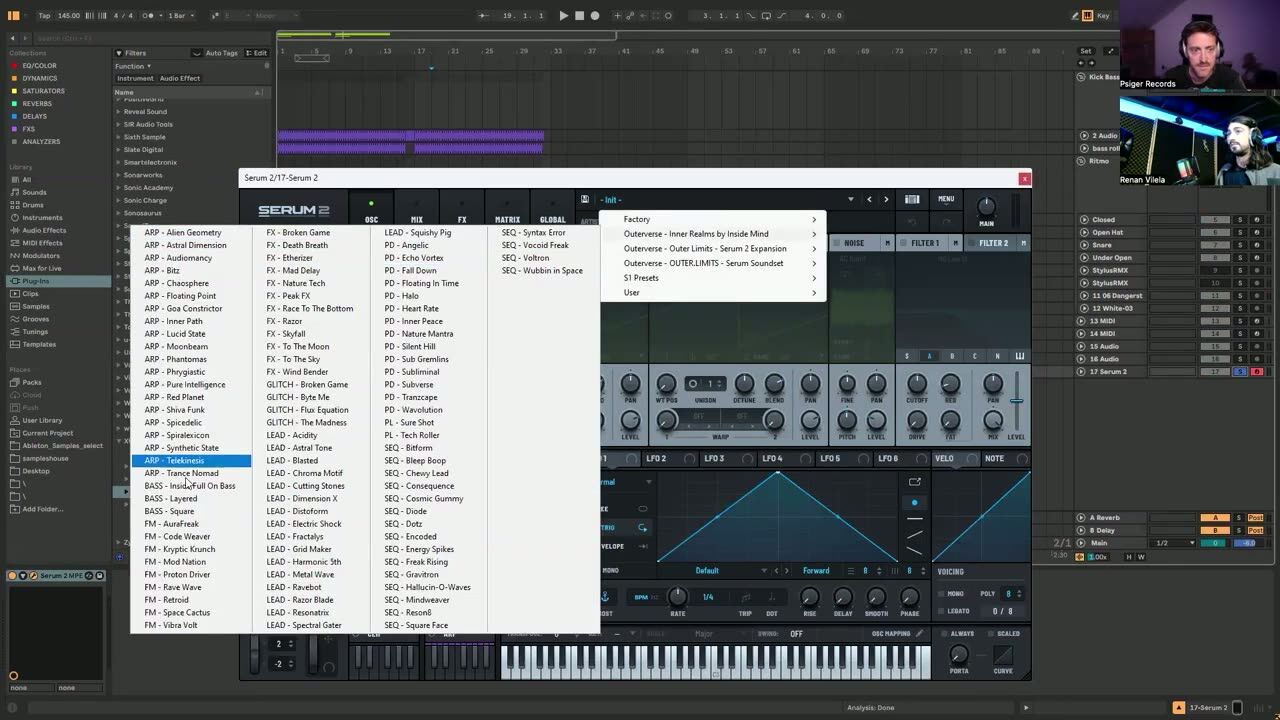
Begin a track with melodic arps, arpeggiated patterns that quickly generate movement and mood. Arps are a fast way to find a melodic idea because the rhythm and notes come together, giving you something to react to immediately.
This is the quickest route from empty project to a vibe you can develop.
Align basslines and melodies
▶ Play from 5:30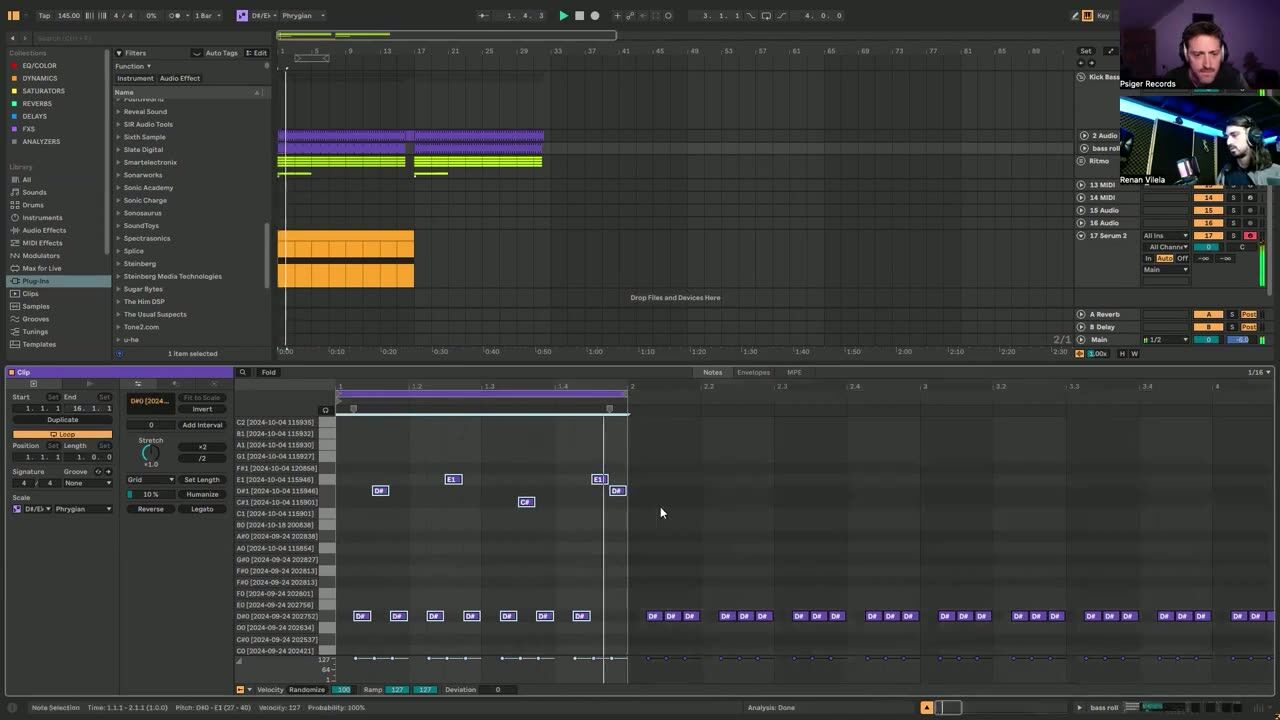
Keep your basslines and arps in the same scale so everything agrees harmonically. When the bass and melody share a scale, they reinforce each other and the track feels cohesive rather than clashing.
Locking to one scale is a simple discipline that makes everything sound more intentional.
Macro modulation for tension and movement
▶ Play from 11:00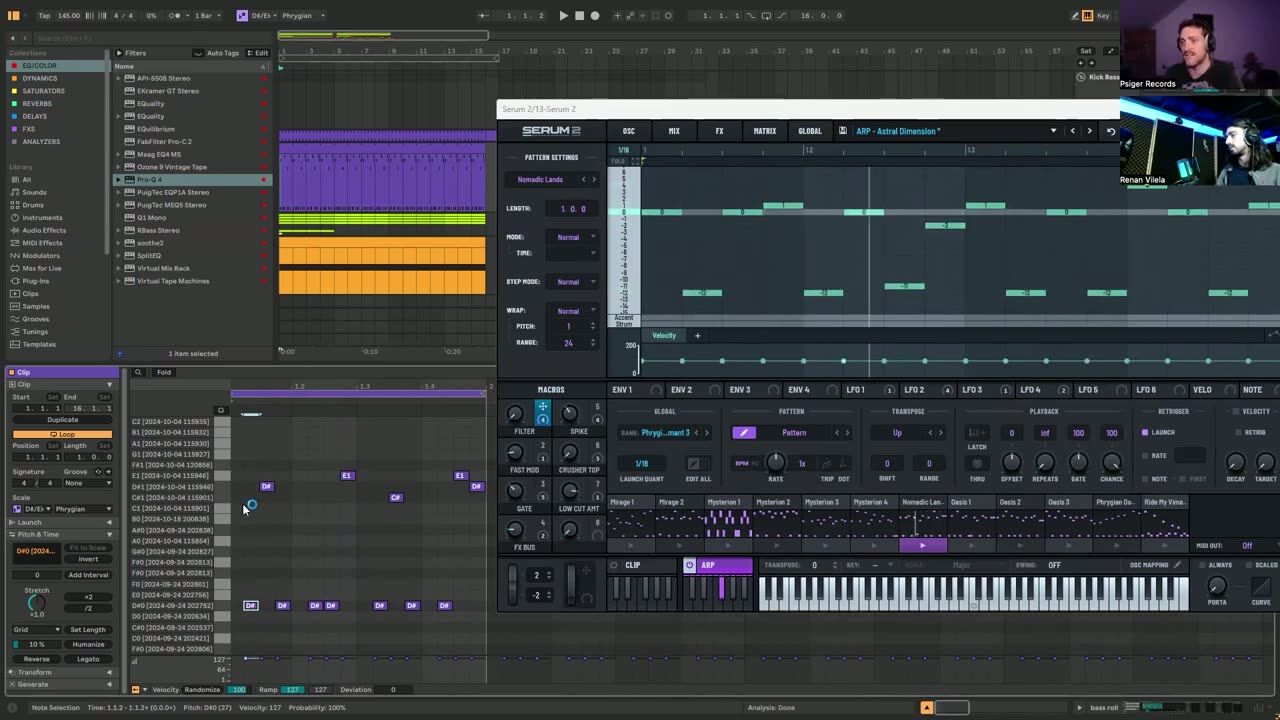
Use macros and modulation to add depth and movement, building tension over a section by evolving the sound. Assigning key parameters to macros lets you push and pull the energy of the melody live, which keeps a repeating part interesting.
Then carry the main melody into your grid sections so it ties the track together.