How to Make a Gated Vocal Riser
Watch the full breakdown
A gated vocal riser is one of the most effective transition tools in psytrance: a vocal chopped into a rhythmic gate that rises in pitch or energy to build tension into a drop. It sounds complex but comes down to source choice, gating, and processing.
In the video Psiger builds one from scratch. Here is the workflow.
- A gated vocal riser builds tension into a drop from a chopped, rising vocal.
- Start with a sustained vocal so the gate has something continuous to chop.
- A clean, held source makes a far better riser than a short, busy clip.
- Gate the vocal rhythmically, speeding up the rate to increase tension.
- Process it to rise: automate the pitch up, open a filter, add reverb and delay.
Choose the source material
▶ Play from 0:25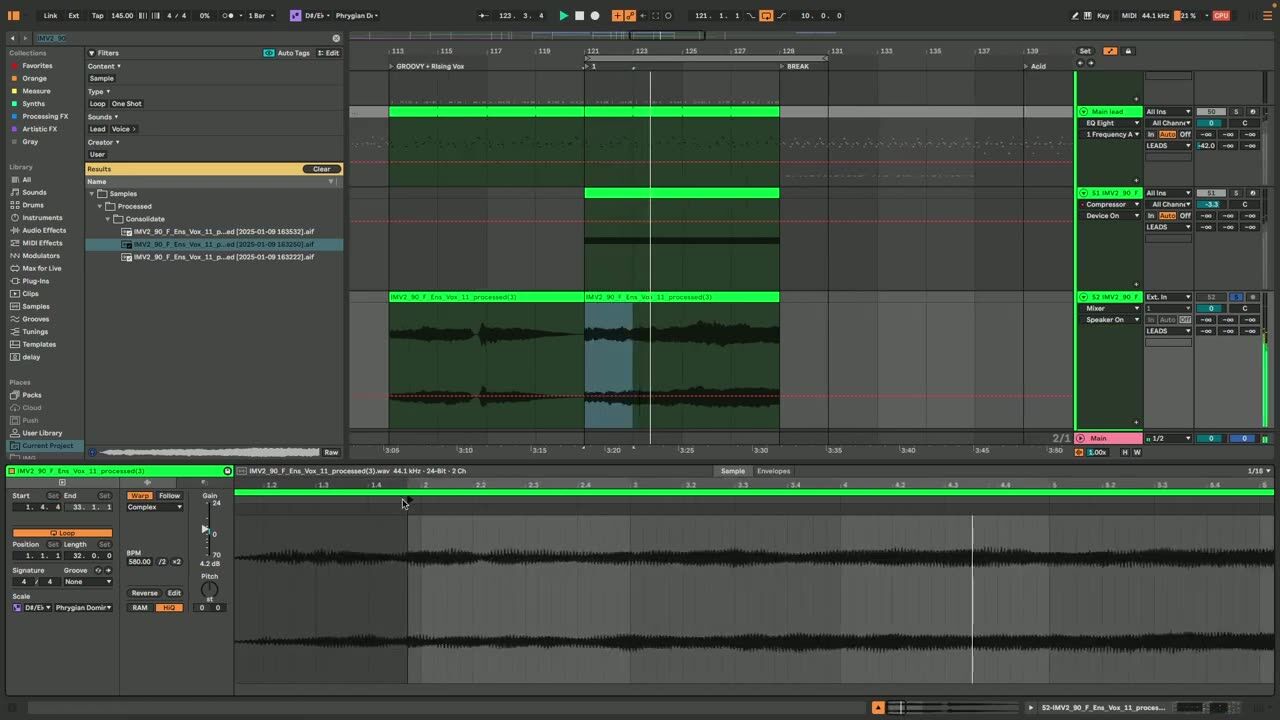
Start with a suitable vocal, ideally sustained so it holds through the riser. A held vowel or a long note gives the gate something continuous to chop, which is what makes the rhythmic effect work.
The source sets the ceiling. A sustained, clean vocal makes a much better riser than a short, busy clip.
Gate it rhythmically
▶ Play from 2:01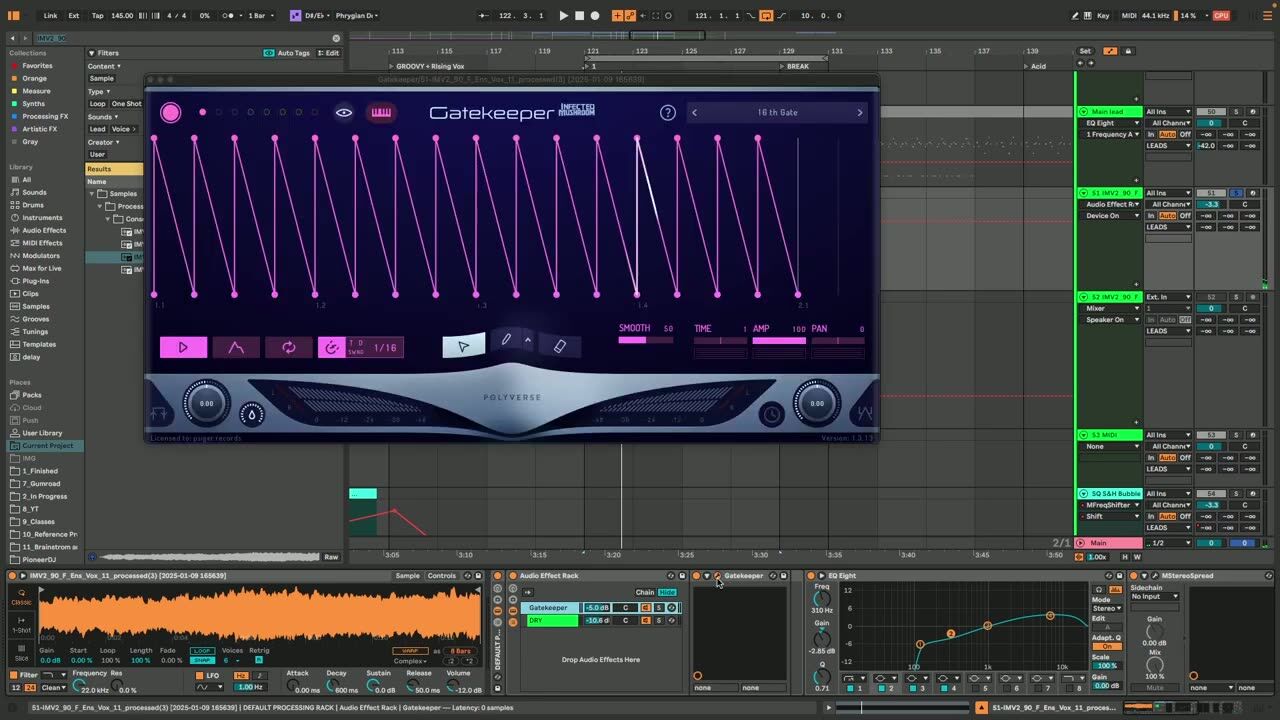
Apply a rhythmic gate, a volume pattern that opens and closes in time, to chop the sustained vocal into a pulsing rhythm. Speeding up the gate rate as the riser progresses increases the sense of acceleration and tension.
The gating turns a held vocal into a rhythmic, building element.
Process into a rising tension
▶ Play from 3:30
Finish by processing the gated vocal to rise: automate the pitch upward, open a filter, and add reverb and delay for space. The upward movement and increasing brightness build the tension that makes the drop land harder when it arrives.
The processing is what turns a gated vocal into a riser that actually lifts.