How Do I Find Time to Make Psytrance?
You finally get a free evening, open Ableton, and spend half of it trying to remember what you were doing.
Then you hear something wrong with the bass. You look for a tutorial, try a few things, and suddenly it’s time to stop. The track is more or less where you left it.
When someone asks why you haven’t been making music, “I don’t have time” feels like the obvious answer.
Sometimes that’s true. Sometimes the time you do have keeps disappearing into decisions you don’t know how to make yet.
Do I need a whole free evening?
It’s lovely when you get one. I wouldn’t make that the condition for opening a project.
“Work on my track” is a very large job. Choose one thing you can actually finish in the time available. For a short session, that might be:
- Compare two bass patterns and keep one.
- Arrange the next sixteen bars.
- Try one change from your feedback, then export a version.
Give that task a time limit. If you have thirty minutes, set a timer and work on that decision until it rings. You can write down the next question without following it into another hour of searching.
Before closing the project, leave yourself one sentence about what to do next. Your next session can start there.
Would getting up earlier help?
Maybe. If you’re usually awake before the rest of the house, that can be a useful bit of quiet.

You might know Hal Elrod’s Miracle Morning, which builds a morning routine around practices such as reading, writing and exercise. You can borrow the idea of protecting a little time without taking on the whole routine.
For music, it could be opening the same project after breakfast, before you check your messages. The useful part is having a place for it in the day.
Keep your sleep. If your nights are already interrupted, or mornings are when everyone needs you, choose another slot. An evening or weekend appointment counts just as much.
Can people with children actually do this?
One of our students, ChrisFlux, has children and has managed multiple label releases.
Your household will have its own rhythm. There may be an evening you can agree on with your partner, or a regular weekend slot. A plan that depends on everyone else being unusually quiet is going to be hard to repeat.
I like this comment from ChrisFlux because a release had been something he wanted for a long time:
Releasing was always a goal, but I never thought it would happen this year. It was a game changer for me.
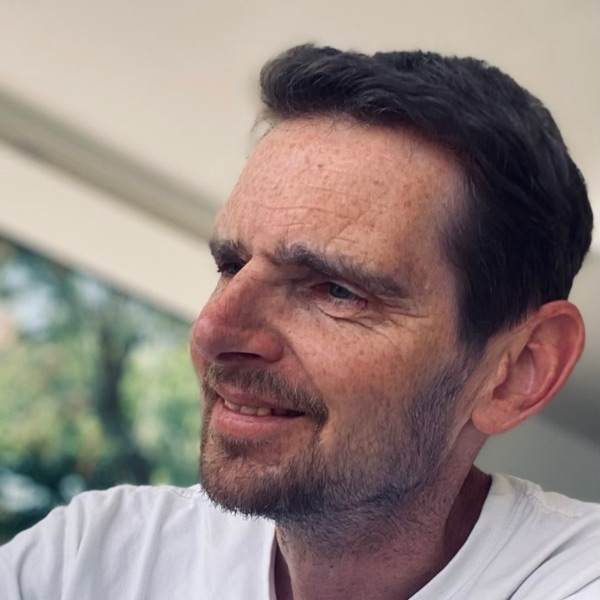 ChrisFlux
Wouldn’t a mentor take up even more time?
You do need time to go through the advice and try it. The question is what you were doing with that time before.
If you spend three sessions changing the lead because a drop feels weak, it helps when someone hears that the arrangement is the problem. You can stop rebuilding the sound and work on the thing that needs attention.
That’s where guidance can save time: helping you decide what deserves the next session.
Bring a rough version and a clear question. Ask which change matters most. You should leave with something you can try, rather than a list so long that you don’t know where to start.
Should I finish this other project first?
A deadline can be a good reason to wait. But “after this project” has a way of turning into “after the next one.”
My only regret is not having started earlier. A year ago would have been a good time to start. That option is gone; today is still available.
If the next few weeks are really full, pick a date to look at your calendar again. If you’re waiting for a stretch of life with no competing demands, it may be worth trying something smaller now.

What could I actually commit to this week?
Look at the week you have, including work, study, family and whatever else is already asking something of you.
Find one appointment for music. Choose the task before it starts. Put it in your calendar, and see whether you can protect it.
If there is room, the uncomfortable part is choosing what music replaces. Another episode? Some scrolling? Watching someone else produce? It will probably have to replace something.
There are also weeks when care, health or exhaustion leave very little choice. Be honest about those. Making music shouldn’t become another reason to feel you’re failing at everything.
A year from now, what would you be glad you’d started? You could know your way around Ableton, have a few finished ideas, or finally understand the groove you keep trying to make.
I write to producers about this all the time. Some keep waiting for their week to quieten down. Others choose a realistic commitment and keep it. Guess which group usually has new music to show me?
If nothing will be different next week, what are you waiting for? Start by keeping one appointment.